Description
Book description:
-
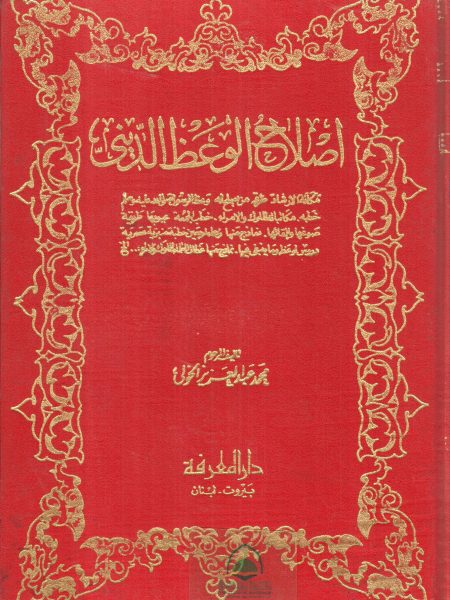
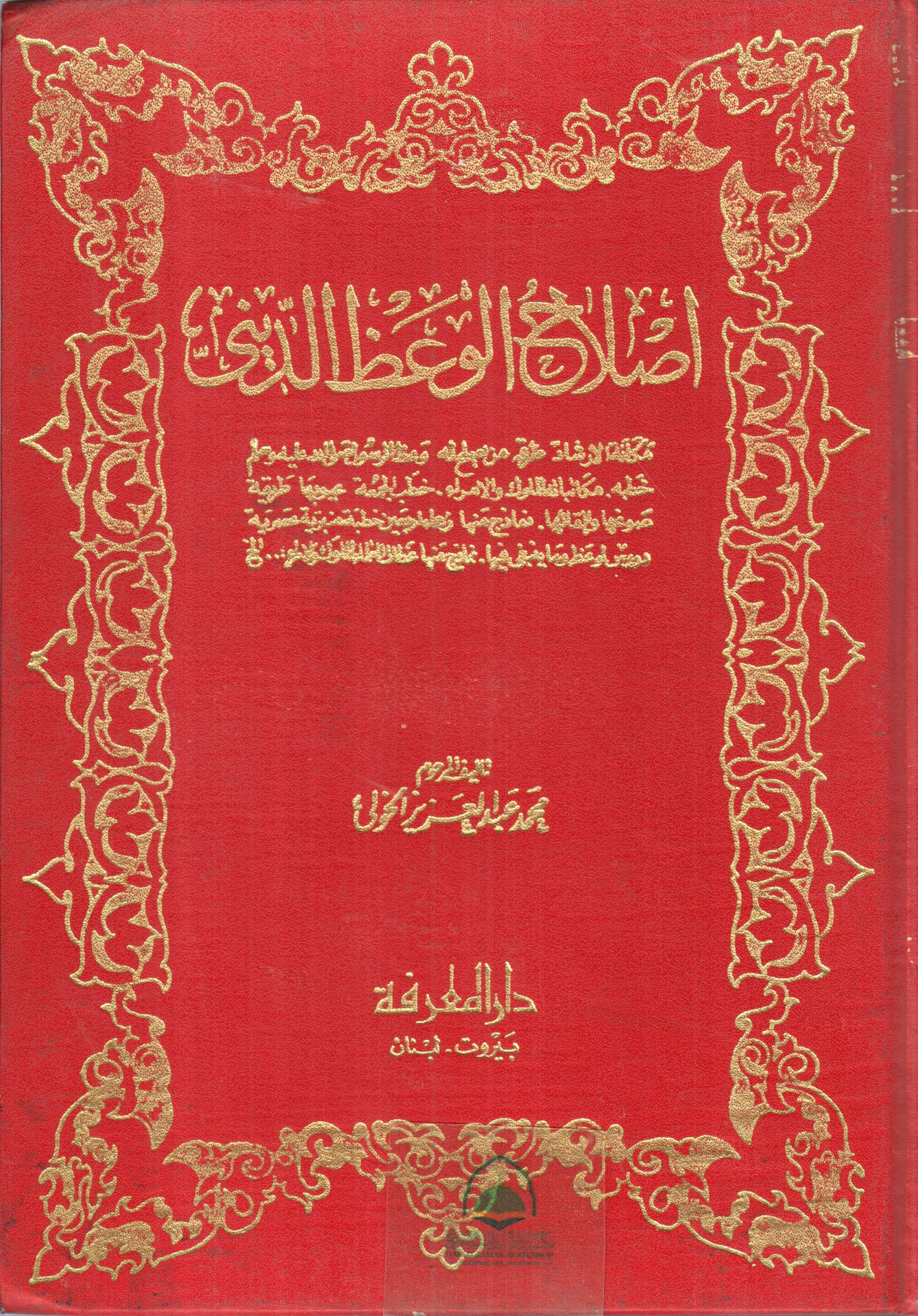
Author's name: Muhammad Jamal al-Din bin Muhammad Saeed bin Qasim al-Hallaq al-Qasimi
-
Number of pages: 279 pages
-
The subject of the book: Reforming mosques from heresies and customs
The contents of the book:
-
Introductions
-
Publisher's introduction
-
Introduction to the first edition
-
Introduction to the book
-
Introductions
-
The first chapter: Heresies of praying in mosques
-
Chapter I: Heresies of the Friday Prayer
-
Modernizers in the Friday sermon
-
Dhuhr prayer in congregation after Friday prayers
-
Jumu'ah's deviation from its theme by having too many Jumu'ahs
-
Characteristics of Friday during the Prophet's era and the era of the Rashidun caliphs
-
Performing Friday in a room and rejecting rows
-
Speeches and Speakers
-
The muezzin's prayer between the two sermons following the seating of the preacher
-
Hadiths recited on the pulpit in favor of Rajab
-
Touching the orator when he comes down from the pulpit
-
Chapter II: Heresies in Prayer
-
Saying the intention before the Takbirat al-Ihram
-
Praying the supererogatory prayer if the prayer is offered
-
Prayer abuse
-
The first group's refusal to wait for the second
-
Abuse of the Salaried Imam
-
Prayers of two or more congregations in one place that disturb each other
-
The heresy of two prostrations after prayer for no legitimate reason
-
Falling behind in the queue
-
Taraweeh prayer abusers
-
Witr worshippers are not following the example of the Taraweeh imam who is different from their madhhab
-
Chapter three: Imam Etiquette and Role Modeling
-
Part II: Materialistic Heresies
-
Chapter One
-
Mosque decoration
-
Many mosques in the same locality and the advantage of the ancient mosque
-
Chapter II: Illuminating Mosques in the Three Months and Beyond
-
Increased enlightenment on the night of the first Friday of Rajab
-
Increasing enlightenment on the night of the half of Sha'ban, spreading its virtues and reading prayers
-
Increasing Enlightenment in Ramadan
-
Keep lights on until noon on Eid al-Fitr
-
Chapter Three
-
Pews and balustrades in the mosque
-
The reader's chair in the mosque, interfering with the reading, and aiming for the world with the Qur'an
-
The third chapter: Prayers, Dhikr and Stories in Mosques
-
Chapter One
-
Hearing in the mosque
-
Altering Masculine Masculine pronouns
-
Raising one's voice in the mosque
-
Achieving witchcraft time, and what is criticized against those who recite it in the mosque
-
Guarding against heresies in the celebration of the reading of the Prophet's Birthday
-
Gathering for worldly conversation in the mosque
-
Writing verses of peace on the night of the last Wednesday of Safar al-Khair
-
Retribution in mosques
-
Chapter II: On reading, readers, etc.
-
Loudness during reading time
-
Distracting people by reading to them
-
Interfering with readers in the mosque
-
Those who do not attend the mosque
-
Those who are reluctant to hear the Eid sermon
-
Those who engage in naflatul worship in mosques while being ignorant and leaving the place of knowledge
-
Those who are quick to read the Qur'an
-
People who don't read the Quran in the mosque
-
Prayer for the first and last nights of the year
-
Chapter three: On muezzins
-
Adhan and Iqama etiquette
-
Branches in Adhan
-
Adhan inside the mosque in Maghrib and Isha with the call to prayer in the minarets
-
The increase in the legal call to prayer and the heresy of tanaim
-
Second call to prayer before dawn in Ramadan to speed up suhoor
-
The timers in some mosques
-
Establishing a muezzin
-
Increasing the word “Sedna” in the prayers
-
Al-Zaqqa'a by securing after prayers and “leaving the traditional rosary by saying the perfect prayer”
-
Chanting before the Friday sermon
-
Informing the muezzins collectively
-
Reporting in recognizable tunes
-
Ruling on reporting when not needed
-
The muezzin's call to prayer and chanting
-
Chanting ghazals in lighthouses
-
Ramadan Farewell Anthem
-
The Umayyad Mosque and the “silence of the ancients” is irrelevant”
-
Section IV: Private and Public Lessons
-
Section V
-
Chapter one: What they do for the deceased in the mosque in terms of innovations and innovations
-
Mourn the dead in the minarets and call for prayers
-
Raising voices in front of the deceased with songs “when entering the mosque, before and after”
-
Lamenting the deceased in the mosque and reading his lineage
-
Delaying the dead in the mosque
-
Sitting for condolences in the mosque
-
Burying the dead in a mosque or building a mosque over them
-
Mourning the martyr Imam Hussein on the pulpit “on the Friday of Ashura”
-
Chapter two: Things to watch out for
-
The good intentions of those who stay in the mosque “to attain the degrees of the near ones”
-
Seclusion in the mosque for self-preservation
-
Those who are content to live in mosques rather than earn a living
-
Retreaters in Mosques and Schools and the Pests of Retreat
-
The visionaries and those who are familiar with mosques
-
Making mosques into khanqahs
-
Using mosques as offices or police stations
-
Muttering, bowing the head and bowing the back in the mosque and elsewhere
-
The ignorance of some village imams
-
Failure of village elders to build their mosques
-
Those who enter the mosque barefoot while worshiping
-
Elaf Mosque for believing in a mosque other than the three mosques
-
Conservators of people's slippers in the mosque
-
Sheltering cats in the mosque
-
Harboring mujahideen in some mosques
-
Boys entering mosques
-
Selling medicines, food, talismans, and the like in the mosque“
-
Eitan in a part of the mosque
-
Duties of mosque caretakers
-
Gathering in the mosque to pray for the lifting of the pandemic
-
Chapter Six: What is Lawful and Unlawful in the Three Holy Mosques
-
Chapter one: In Jerusalem
-
Chapter two: The Hebron Mosque
-
Chapter three: Shrines around Medina
-
Chapter four: Mecca's Shrines
-
Chapter Five: Balancing the doctrine of 'Umar and the rest of the caliphs and companions (may Allah be pleased with them)
-
Section VII: On various heresies
-
Conclusion
-
Index