

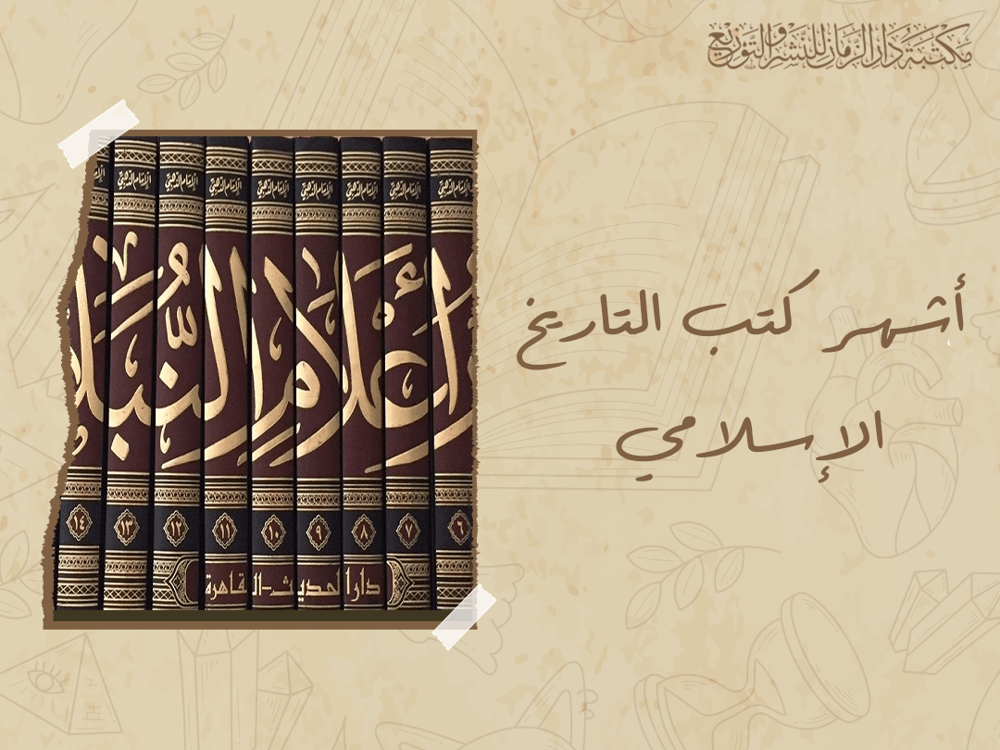
Islamic history is a record of achievements, conquests, sciences and arts that illuminated the world for centuries. To document this rich history, many Muslim scholars and historians wrote valuable books that record events, analyze circumstances, and study the effects of those time periods. In this article, we will look at some of the most famous Islamic history books that remain today as an essential reference for researchers and interested parties.
The most popular Islamic history books
Al-Tabari - “History of Messengers and Kings”
The History of the Apostles and Kings, also known as the History of Tabari, is one of the most famous Islamic history books. Written by the great historian Muhammad ibn Jarir al-Tabari (224-310 AH/839-923 AD), the book covers the history of the world from the creation of Adam until the end of the third century AH. Al-Tabari relies on reliable sources and contemporary testimonies, making his book an indispensable reference for any researcher of Islamic history.
Ibn al-Athir - “The Complete History”
Al-Kamil fi al-history is one of the most important books of Islamic history, authored by the historian al-Jazari Izz al-Din ibn al-Athir (555-630 AH/1160-1233 AD). The book covers the history of the Islamic world from the beginning of the Islamic call until the author's time. The book is characterized by its comprehensiveness and accuracy in reporting and analyzing events, making it a reliable source for the study of Islamic history.
Al-Masoudi - “Muruj al-Ghahab and Ma'aden al-Jawhar”
Abul Hasan Ali ibn al-Hussein al-Mas'udi (896-956 AD) is a famous Muslim historian, geographer, and philosopher, and his book “Muruj al-Dahab and Ma'aden al-Jawhar” is considered one of the greatest works in the history of Arabic literature. The book deals with the history of the Islamic and global world, and is characterized by the diversity of its topics and the depth of its analyses. Al-Masudi focuses on multiple aspects of history, including politics, culture, and science.
Ibn Khaldun - “Introduction”
Abd al-Rahman ibn Khaldun (1332-1406 AD) is one of the greatest thinkers in Islamic history, and his book Al-Muqaddima is a unique work in the study of history and sociology. Al-Muqaddima deals with Ibn Khaldun's theories in understanding the development of societies and states, and is considered an essential reference in the study of Islamic history and civilization. In his book, Ibn Khaldun focuses on the factors of the collapse and rise of states and the influence of the environment and geography on the development of civilizations.
Al-Waqidi - “Al-Mughazi”
Muhammad ibn “Umar al-Waqidi (130-207 AH/747-823 AD) is one of the first Muslim historians, and his book al-Mughazi is one of the oldest and most important books on the history of Islamic conquests. The book covers the period of the Prophet Muhammad's life and his conquests, as well as the Islamic conquests during the period of the Rashidun caliphs. Al-Waqidi relies on reliable sources and contemporary testimonies, making his book an important reference in the study of the Prophet's biography and Islamic conquests.
Ibn Kathir - “The Beginning and the End”
Ismail ibn Omar ibn Kathir (701-774 AH/1301-1373 AD) was a historian, exegete, and jurist. The book covers the history of the world from the creation of Adam to the author's time, and is characterized by its comprehensiveness and accuracy in reporting and analyzing events. Ibn Kathir is considered one of the historians who paid attention to collecting and documenting valid narratives and reliable sources.
Al-Dhahabi - “Sir Al-Alam Al-Nubala”
Shams al-Dhahabi (673-748 AH/1274-1348 AD) is a renowned historian and hadith scholar, and his book “Sir al-”Ulam al-Nabala“ is one of the most important biographical books in Islamic history. The book deals with the biographies of scholars, writers and noblemen, and is characterized by its collection of accurate and comprehensive information about the characters it covers. The book is considered an essential reference for the study of the biographies of scholars and writers in the history of Islam.
Al-Yaqoubi - “History of Al-Yaqoubi”
Ahmad ibn Abi Yaqoub ibn Ja'far ibn Wahab ibn Wahab ibn Dahab ibn al-Yaqoubi (d. 897 AD) is a Muslim historian and geographer, and his book “Al-Yaqoubi's History” is one of the oldest books dealing with the history of the Islamic world. The book covers the period of the Abbasid caliphate until the author's time, and is characterized by its documentation of events and deep analysis. Al-Ya'qubi relies on reliable sources and contemporary testimonies.
Ibn al-Jawzi - “Al-Muntazim in the History of Kings and Nations”
Abd al-Rahman ibn Ali ibn Muhammad ibn Ali ibn al-Jawzi (510-597 AH/1116-1201 AD) was a historian, jurist, and writer. The book covers the history of the Islamic world from the beginning of the Islamic call until the author's time, and is characterized by its comprehensiveness and accuracy in reporting and analyzing events. Ibn al-Jawzi is considered one of the historians who paid attention to documenting valid narratives and reliable sources.
Ibn Hazm - “The Genealogy of the Arabs”
Ali ibn Ahmad ibn Sa'id ibn Hazm (384-456 AH/994-1064 AD) was a historian, jurist, and writer, and his book “Jamhura Ansar al-Arab” is considered one of the most important books dealing with the genealogy of the Arab tribes. The book covers the history of the Arab tribes from the Jahiliyya to the author's time, and is characterized by its comprehensiveness and accuracy in transmitting and analyzing genealogies. Ibn Hazm is considered one of the historians who paid attention to documenting valid narratives and reliable sources in the field of genealogy.
Ibn Saad - “The Great Tabqaqat”
Muhammad ibn Sa'd ibn Munayyah al-Zuhri (168-230 AH/784-845 AD) was a historian and hadith narrator, and his book al-Tabaqat al-Kubra is one of the most important sources for the biography of the Prophet Muhammad and the biographies of the Companions and followers. The book covers the life of the Prophet Muhammad in detail, as well as the biographies of the companions, followers, and prominent figures in Islam up to the time of the author. The book is characterized by its accuracy in documenting narratives and relaying them from reliable sources.
Ibn Asaker - “History of Damascus”
Ali ibn al-Hasan ibn Heba Allah al-Shafi'i, known as Ibn Asaker (499-571 AH/1105-1176 AD) was a historian and jurist, and his book “History of Damascus” is considered one of the greatest works in the history of Islamic cities. The book covers the history of the city of Damascus from the Islamic conquest until the author's time, and includes biographies of prominent figures who lived in or passed through Damascus. The book is characterized by its comprehensiveness and accuracy in reporting and analyzing events.
Al-Baladhari - “Futuh al-Baladan”
Ahmad ibn Yahya ibn Jabir al-Baladhari (d. 279 AH/892 AD) is a historian and geographer, and his book “Futuh al-Baladan” is one of the most important sources of Islamic history in the period of Islamic conquests. The book covers the Islamic conquests in various regions and countries, and is characterized by its collection of information from multiple and reliable sources. Al-Baladhari is considered one of the historians who were interested in documenting events and analyzing them accurately and in detail.
Al-Qalqashandi - “Sobh Al-Asha in Insha'a”
Ahmad ibn Ali al-Qalqashandi (756-821 AH/1355-1418 AD) was a writer, historian, and performer, and his book “Sobh al-Asha fi Sejna al-Insha” is considered one of the most important works in the field of Islamic literature and history. The book covers multiple topics, including history, geography, literature, and the arts. Characterized by its comprehensiveness and depth of analysis, the book is an important reference for the study of Islamic history and Arab culture.
Al-Nuwairi - “The End of Al-Arb in the Art of Literature”
Shihab al-Din Ahmad ibn Abd al-Wahhab al-Nuwairi (677-733 AH/1279-1333 AD) was a historian and writer, and his book “The End of Al-Urb in the Arts of Literature” is considered one of the most important encyclopedic works in Islamic history. The book covers diverse topics, including history, geography, literature, and science. The book is characterized by its comprehensiveness and depth of analysis, and is considered one of the essential references for the study of Islamic history and culture.
Al-Maqdisi - “Ahsan al-Taqasim fi ma'rifat al-regions”
Muhammad ibn Ahmad al-Maqdisi (336-380 AH/947-991 AD) was a geographer and historian, and his book “The Best of the Taksim in the Knowledge of the Regions” is considered one of the most important works in the field of Islamic geography and history. The book covers various Islamic regions and countries, and is characterized by its detailing of the geographical, cultural, and social aspects of each region. Al-Maqdisi is considered one of the historians who paid attention to documenting information from reliable sources and contemporary testimonies.
To conclude our article on the most famous Islamic history books, a review of these books, which are among the most famous history books, shows the richness of the Islamic heritage in the field of history, literature, geography and science. These works have contributed to documenting our history and culture in an accurate and comprehensive manner, helping us to understand our heritage and civilization more deeply. These books remain an essential reference for researchers and those interested in the study of Islamic history, and remain a testament to the great efforts made by Muslim scholars and historians in documenting this great heritage.