Description
Book description:
-
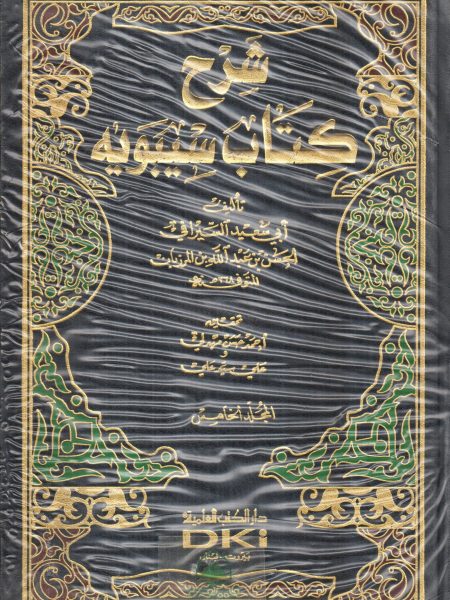
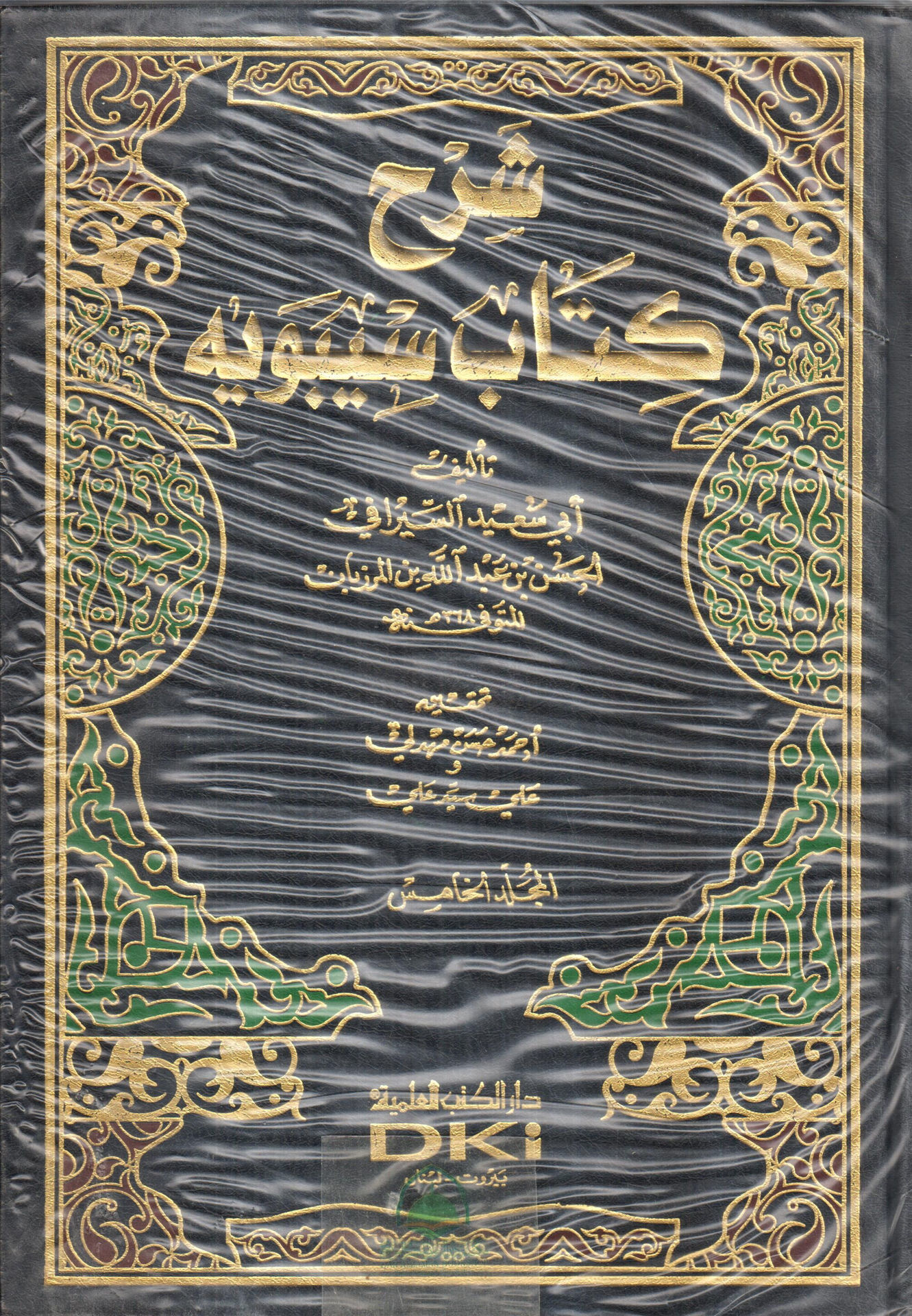
Name of the author: Abu Said Al-Serafi in Al-Hassan bin Abdullah bin Al-Marzban
-
Number of pages: 488 pages
-
The subject of the book: Explanation of Sibuyeh's book
The contents of the book:
-
Investigator's introduction
-
Serafi
-
Seraphim World
-
His elders
-
His pupils
-
His compositions
-
This is the chapter «The Science of Arabic Words»
-
This is the Arabic word endings section
-
Five verbs
-
This is the door of the predicate and the predicate
-
This is the door to the meaning of words
-
This is the chapter on the symptoms of verbalization
-
This is a straightforward section of the speech and referral
-
This is a section on what hair can withstand
-
Deletion door
-
Wildcard door
-
Introduction and Delay
-
Changing the face of the expression
-
Masculine Feminine and Feminine Masculine
-
This is the actor's door
-
This is the actor's door
-
This is the door for the subject whose action is transitive to the object
-
This is the door for the actor whose action goes to two objects
-
This is the door for an actor whose action goes to two objects, and you cannot limit yourself to one of the two objects
-
This is the door for an actor whose action goes to three recipients
-
This is the door for an object whose verb has been changed to an object
-
This is the door for an object whose verb goes to two objects, and you cannot limit yourself to only one of them
-
This is the door to what the verb works in, which is a condition in which the verb has occurred and is not an object
-
This is the door for a verb in which the name of the subject and the name of the subject and object of the verb are the same thing
-
This is the chapter on what to say about nothing with nothing
-
This is a door for what is not
-
This is the chapter on what applies to the position rather than the noun before it
-
This is the door to the inclusion of ”not” and ”was” like the inclusion of ”if”
-
This is the chapter on what works like a verb but doesn't run like a verb and can't be used like a verb
-
This is the door for the two actors and the two objects, each of which does to its actor what it does to itself, and things like that.
-
This is the chapter where the noun is based on the verb and the verb is based on the noun
-
This is the door to what goes into what is an adverb
-
This is the chapter on what you choose to do with a verb that is in the beginning of the verb
-
This is a chapter in which a noun is carried over a noun that is built on the verb once and another time over a noun that is built on the verb
-
This is the chapter on interrogation, which is a door that chooses to interrogate.
-
This is the chapter on what goes in a thousand
-
This is the chapter on the names of active and passive nouns that are used in interrogation, just as they are used in other forms of interrogation
-
This is the section on verbs that are used and canceled
-
This is a section of interrogation in which the noun is elevated because you start it to alert the addressee and then interrogate
-
This is the command and prohibition section
-
This is a chapter about letters that are used as interrogative, command, and prohibitory letters
-
This is a section of the verb used in the noun
-
This is a section of the verb that replaces the second with the first and runs on the noun
-
This is a section of the subject's name
-
This is the chapter on the verb that can be used for two purposes in words but not in meaning
-
This is a section of sources that have the same action and meaning as a present tense verb
-
This is an adjective door
-
[Sibuyeh's statement on «good face»:]
-
Seboba's statement on working in plural
-
Sibuyeh's statement on number names
-
This is the verb to use the verb in the verb
-
This is the section on the occurrence of nouns as adverbs
-
This is a door where the infinitive is sometimes used for the sake of brevity and brevity
-
This is the chapter on the sources that are active, so they rise as well as fall if you put the verb in front of them and fall if you put the verb in front of something else.
-
This is the chapter on the verb that does not work with the preceding verb that goes to the object or any other verb
-
This is a section of the verb in which the verb is labeled with names that are not taken from examples of incidental verbs
-
This is a rooted door
-
This is the chapter on the command and prohibition of a verb that is used if you know that the man does not want you to say the verb
-
This is the chapter on what is included in a verb that is used in other than a command or a prohibition
-
This is the section where the verb that is used to show the verb is embedded after a letter
-
This is the chapter on what is erected on the inclusion of a verb that is left out
-
This is a chapter on command and warning
-
This is the chapter on what is dependent on the subject that is implied in the intention
-
This is the chapter on what can be used in non-command and non-command verbs.
-
This is a door where the verb appears and the noun is erected because it is an object with him and an object of him, just as he erected himself in your saying: ”One and the same”. a man and himself"
-
This is a door with the same meaning as the first one
-
This is a chapter in which they include a verb because it is ugly if the last word is carried over the first
-
This is the chapter on the sources that can be erected on the implication of a verb that is not used to show it
-
This is the chapter on the names that are used as sources of names.
-
This is the chapter on adjectives that are used in the same way as the sources called by them
-
This is the chapter on how added sources are treated like single sources that are called by them
-
This is the chapter on the sources of non-da'wah sources that can be used in non-da'wah contexts that require the inclusion of a verb that is not shown
-
This is also a section of the sources that is based on the inclusion of a verb that is not shown
-
This is a chapter in which sources are chosen to be beginnings of nouns and adjectives.
-
This is a section of a section of nothing that is the same as a thousand and one sources and nouns
-
This is a section that grammarians find unacceptable and ugly, so they put it in a different way than the Arabs put it.
-
This is the chapter where the source, with or without the aleph and lam, is erected on the implication of the verb that is not shown, because it becomes a substitute for the verb in news and interrogation, just as ”caution” was a substitute for "beware" in the command.
-
This is the chapter on nouns that are taken from verbs, whether or not they are interrogated
-
This is the chapter on the names that are not taken from the verb and the names that are taken from the verb
-
This is the chapter on the sources that are erected in the presence of a verb that is not shown
-
This is the chapter on the use of a similitude of a source that has been left out.
-
This is the chapter on what to choose to lift
-
This is the chapter where you can choose to lift the source that is a remedy if the other is the first.
-
This is the chapter where the face is lifted
-
This is the chapter on what is not a lift.
-
This is another door that can only be lifted
-
This is the section on the sources that can be used as an excuse for something to happen
-
This is the chapter on sources that are erected because they are the subject of the command, so they are erected because they are the subject of the command
-
This is the door to what comes from it in A and L.
-
This is the chapter on what makes a noun a source such as the genitive in the next chapter
-
This is the chapter on what makes a name a source, such as a source with a thousand and one words, such as: Fighting
-
This is the chapter for what is a situation in which a command is given and is a noun
-
This is the section on sources that are used to emphasize the preceding
-
This is the section where the infinitive is self-affirming.
-
This is the chapter on the sources that can be erected because it is a condition in which the subject has become
-
This is the chapter on what to choose to lift and face in all languages
-
This is the chapter on nouns that are neither adjectives nor sources because it is a situation in which a command occurs, so it is used as the subject of the command.
-
This is a chapter on what makes a noun a state of affairs
-
This is the chapter on what is chosen as an adjective and what is chosen as an adverb.
-
This is a chapter on what constitutes an adjective because it is an adverb
-
This is the chapter on nouns and adjectives because they are the conditions in which things happen
-
This is the chapter on what constitutes time and place
-
This is the door to what resembles a specialized place
-
This is a traction door
-
This is a section where the participle is the subject of the participle
-
This is the chapter on what is shared between the two nouns so that they run on it, just as it is shared between them in the participle so that they run on the participle
-
This is the wildcard and wildcard section
-
This is the section where the description of the
-
This is the chapter on substituting knowledge for nonknowledge and knowledge for knowledge (and cutting off knowledge as a starter)
-
This is a chapter on what goes on it and how it was caused by it
-
This is the chapter for adjectives that are not working on the first noun
-
This is a door that lifts the face of the speech, which is the common saying
-
This is the chapter on names that are adjectives and names that are not adjectives
-
This is the chapter on nouns that are adjectives of a singular subject that is neither a verb nor an adjective that resembles a verb.
-
This is the chapter on what happens to nouns that are verbs and similar adjectives that are not verbs.
-
This is an adjective to noun chapter.
-
This is a section in which a noun is erected because it cannot be an adjective
-
This is the door to what stands out because it is a situation in which the person responsible and the person to be responsible for
-
This is the chapter on what stands for exaltation and praise
-
This is the chapter on what constitutes cursing as a form of exaltation and the like
-
This is the chapter on what stands as a news item for the unknown nouns that are based on what comes before it.
-
This is the chapter on what is known and what is unknowable
-
This is the chapter on what can be lifted in knowledge
-
This is a chapter on what news is raised because it is based on an initiator
-
This is a chapter on the news because it is the news of a favor that rises to the beginning
-
This is a section of knowledge in which a particular name is common to the nation
-
This is a chapter in which something is often called by a name that belongs to everyone who is from his nation or is like him.
-
This is a chapter on what a noun is like in knowledge
-
This is the chapter where the name can only be a noun
-
This is the chapter on what is erected because it is knowledge, which is knowledge that cannot be described and is not an adjective
-
This is a door for what is erected because it is ugly to be an adjective
-
This is the door to what stands because it is neither the name of what precedes it nor is it
-
This is the door to what is erected because it is ugly to be described by what comes after it or built on what comes before it
-
This is the chapter on what is flexed to emphasize what is stable, and the flexing does not prevent it from being raised as it was before it was flexed, nor does it prevent it from being raised as it was before it was flexed.
-
This is a starting point
-
This is the chapter on what is located in the position of the starting name and fills its place
-
This is a section of the beginning in which what is built on the beginning is implied
-
This is a door where the initiator is implied and the predicate is shown
-
This is the chapter on the five letters that act on what comes after them to make a verb act on what comes after them
-
This is the chapter on what is better to keep silent in these five letters
-
This is a chapter on what is possible if
-
This is a door in which these five letters are equal
-
This is a chapter in which the news after the five letters
-
This is a quantum door
-
This is the chapter on what is used in interrogation.
-
This is the chapter on what constitutes the word "quantum" when it is used in news and interrogation.
-
This is the chapter on what is erected after expressions
-
This is the chapter on what is not done in a favor except implicitly
-
This is the «no» negation section»
-
This is the section on the negation of the L-addition
-
This is the chapter on the negated nouns in which the intonation is fixed
-
This is the section describing the negation
-
This is a section in which the description is only muna
-
This is a door that does not drop the nun, even if it means «yours»
-
This is the section that applies to the position of the negation rather than the letter that worked in the negation
-
This is the chapter on what «no» does not change names from the state they were in before «no» entered»
-
This is a section where knowledge is not allowed unless it is applied to the position
-
This is the chapter on what if the word «no» does not change the state it was in before it was attached.
-
This is the exclusion section
-
This is the door to what is an exception”
-
This is the chapter on what is excluded instead of what is included
-
This is the chapter on the position of the worker in the name and the name, not on what worked in the name, but the name and what worked in it in the position of a raised or lowered name.
-
This is the accusation section for substituted exceptions
-
This is a door in which the accusation is chosen because the other is not of the same type as the first, which is the language of the people of the Hijaz
-
This is the chapter on what can only be in the sense of "but
-
This is a chapter on what an and an are like other nouns.
-
This is a chapter in which the exception can only be text
-
This is the chapter where "except" and "other" are descriptors similar to "like" and "unlike".
-
This is the section where the excluded
-
This is the chapter where the second excluded item is optional
-
This is the section on bisecting the excluded
-
This is the section on what can start after "except
-
This is a door (not)
-
This is the door for what is done in the position of other than and not after other than
-
This is a section where the excluded item is omitted lightly
-
This is a chapter on not being, not being, and the like
-
This is a chapter on the course of the signs and what is permissible in them
-
This is the section on the sign of the two elevated subordinates
-
This is the section where they use the sign for the verb that is not in the position of what is included in the verb that is not in the position of the verb
-
This is the section on the sign of the passive voice
-
This is the part where they use Ea if it does not fall in the locations of the letters we mentioned
-
This is the chapter on the inclusion of the verb
-
This is a chapter on what is permissible in poetry that is not permissible in speech
-
This is the section on the inclusion of the corpuscle
-
This is the chapter on the inclusion of the two objects to which the subject's verb is transmitted
-
This is a chapter in which it is not permissible to mark the passive voice, nor the sign of the active voice, nor the sign of the passive voice, nor the sign of the passive voice
-
This is the chapter on the sign of the inclusion of the spoken Mansoor and the spoken Hungarian
-
This is the chapter on what is implied by a noun that is transformed if the noun is shown after it
-
This is the chapter on what is good for the visible to share with the implied, and what is bad for the implied to share with the visible
-
This is the chapter on what the sign of inclusion returns to its origin
-
This is the chapter on prepositions that cannot be implied
-
This is the section where you, me, us, him, her, him, her, you, you, them, them, and you are an adjective.
-
This is also a wildcard
-
This is the chapter where he, you, I, me, we and their sisters are separated
-
This is a chapter in which he and his sisters are not separated, but are like a starting name
-
This is the door of any
-
This is a door with a standardized additive
-
This is a door for anything that can only be completed with an adjective
-
This is a door, i.e., if you are asking a question about a nobody
-
This is the ”who” section if you are asking a question about nothing
-
This is a chapter on what is not as good as what is
-
This is the chapter on the difference between the Arabs in the name of a well-known name if you inquire about it to whom
-
This is the door to who to ask if you want to be added
-
This is the door to making the connection between who and what if you mean two people, like the two who, and if you mean all of them, like the one who
-
This is the section where they make the like of what, and it is not like what except with what and who in interrogation alone.
-
This is the chapter on what is added to an interrogative if you deny that your opinion is the same as what is stated or if you deny that your opinion is different from what is stated.
-
publisher
publisher
Dar al-Kutub al-Alamiya - Beirut
Additional information
Additional information
Weight 1 kg Dimensions 20 x 20 x 20 x 20 cm
Related products
-
-
-
publisherDar Al Qasim for Publishing and Distribution
-
publisherDar Al Safa Bookstore
-
publisherIbn Sina Bookstore for Publishing and Distribution