Description
Ibn Taymiyyah said: The Qunut is in the Qur'an, for these four things are mentioned by Allah in the Qur'an: “They said, ”They said, 'Allah has taken a son,' but He has what is in the heavens and the earth, and all of them are devotees of Him, the Creator of the heavens and the earth, and if He decrees a matter, it will be so. He is the Creator of the heavens and the earth, for whom all are obedient, and He is the One who initiates creation and then restores it, and He is easier for Him." [Surah Al-Baqarah 116, 117].
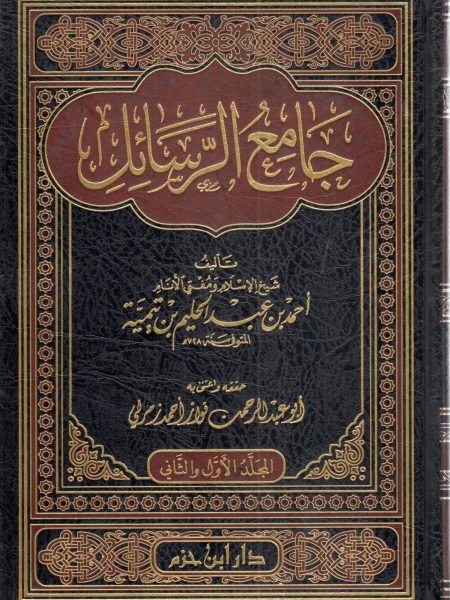
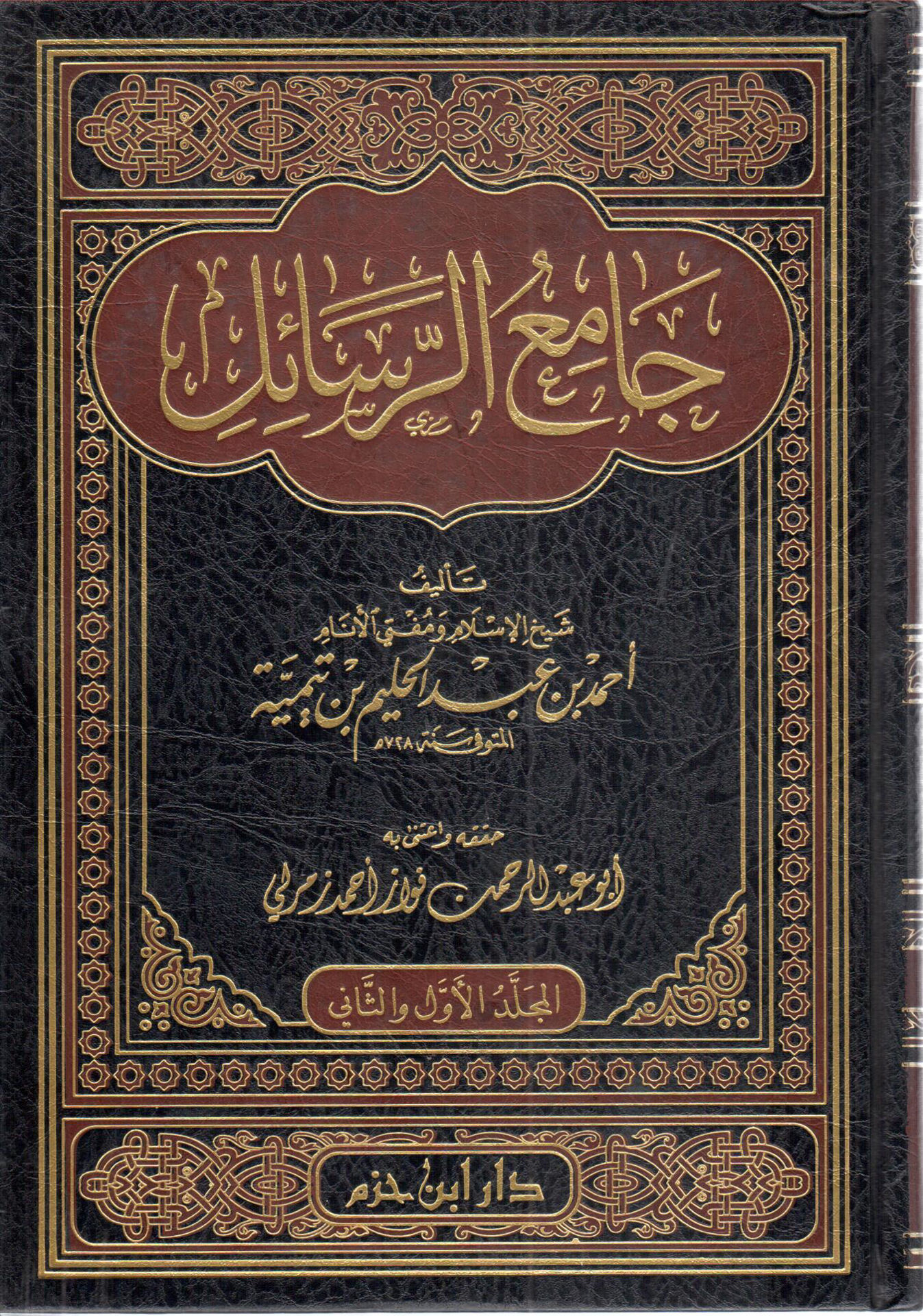
Book description:
-
Author: Taqi al-Din Abu al-Abbas Ahmad ibn Abd al-Halim ibn Abd al-Salam ibn Abdullah ibn Abu al-Qasim ibn Muhammad ibn Taymiyyah al-Harani
-
Number of parts: 2
-
Number of pages: 691 pages
-
The subject of the book: Doctrine
The contents of the book:
From the topics in Part I:
-
Ibn Abi Hatim's narration of aspects of the explanation of the word Qunut
-
Types of Creaturely Satisfaction
-
Talking about prostration
-
Treatise on the Sunnah in the Qur'an
-
The laws of nature can be overturned by God if He so chooses
-
The Sunnah of the Almighty is consistent in religion and nature
-
A Treatise on the Meanings of Surah al-Human
-
Tawakkul is the cause of God's grace and favor
-
God imposed supplication on His servants because of their need for His guidance
-
The Jahmiyyah and the Mu'tazilites deny His love and acknowledge the duty of thanksgiving
From the topics in Part II:
-
A Treatise on Optional Attributes
-
The Jahmiyyah and Mu'tazilah's article on the quality of speech
-
The positions of the negationists on the issue of attributes and the response to them
-
People are divided into three categories
-
Al-Jilani's command to annihilate creation, passion and will
-
Philosophers are misguided and unbelievers in many ways
-
Religion is a covenant and contract
-
Some philosophers say that religion is just about worldly interest
-
God has legalized the pleasures that are good for the human condition and has made the ultimate pleasure in the hereafter
-
Temptation is a genus under which there are types of suspicions and lusts