Description
Book description:
-
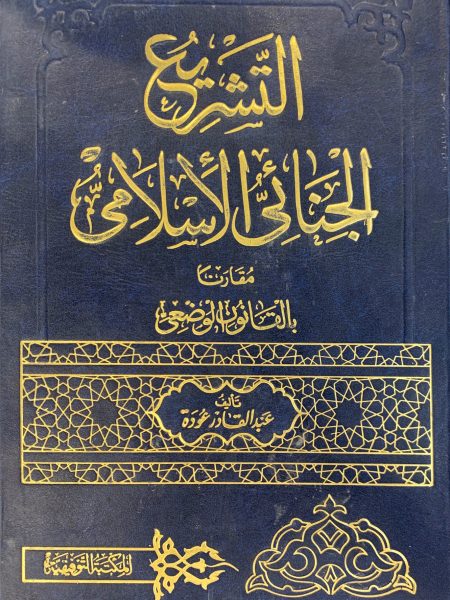
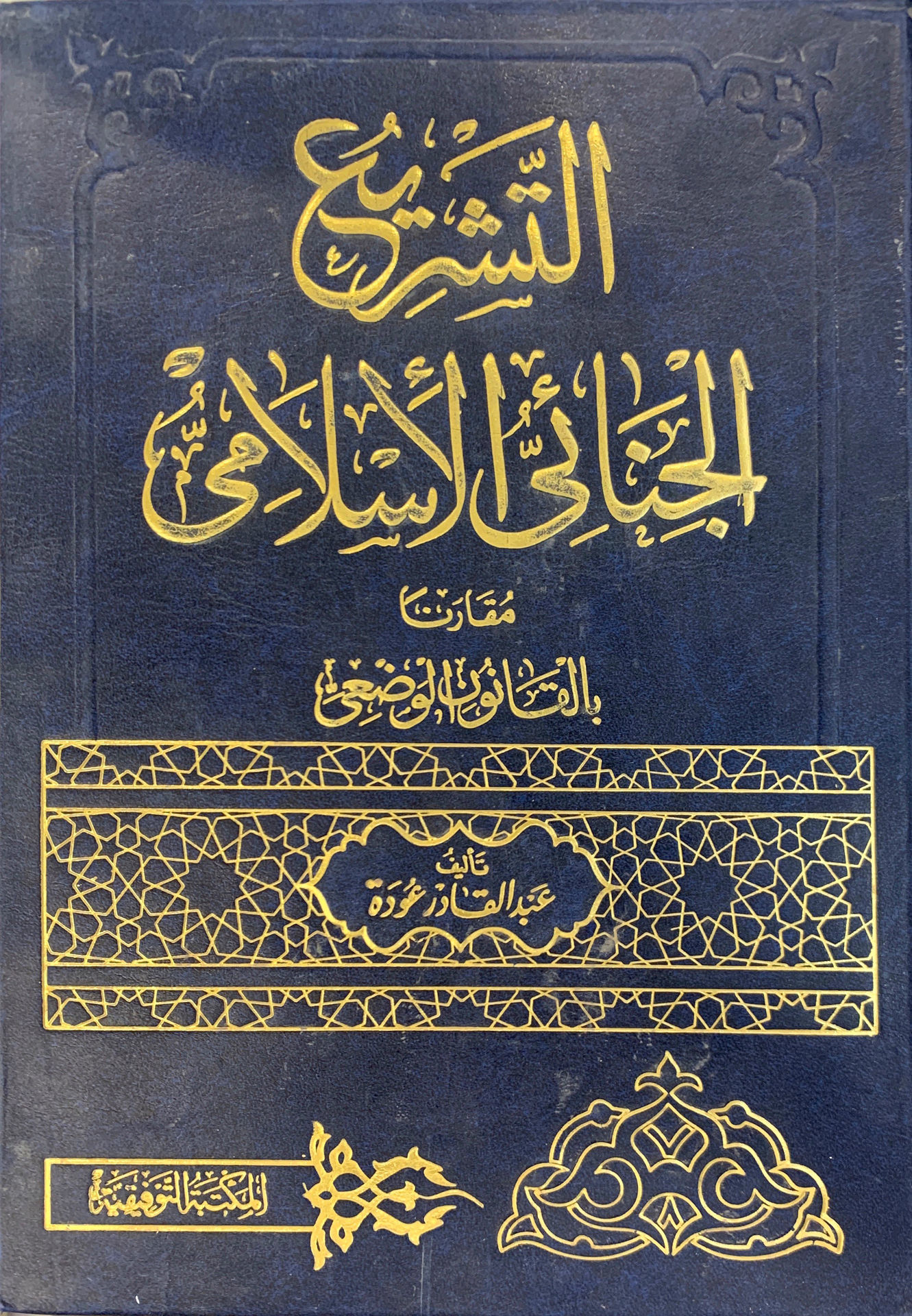
Author's name: Abdul Qader Odeh
-
Number of pages: 1577 pages
-
The subject of the book: The book talks about criminal legislation in comparison to the law.
The contents of the book:
[Author's introduction]
Introducing and guiding
Search topic:
Contents of the first part:
The extent of the comparison between Sharia and positive law:
Comparative legal doctrines:
The reason for limiting to the four schools of thought:
Search language:
jurists and commentators:
Why did you start with the criminal division?
How did you pay to study Sharia?
Sharia books need to be refined:
Authoring method:
How was the law stigmatized as invalid?
What's wrong with the analogy:
No measuring between two different people:
The genesis of the law:
The genesis of the canon:
There is no similarity between sharia and law:
The fundamental differences between Sharia and law:
The intrinsic features that distinguish sharia from law:
Evidence that the Shari'ah has these characteristics:
The theory of equality:
The theory of women's equality with men:
Theory of freedom:
Freedom of thought:
Freedom of belief:
Freedom of speech:
Shura theory:
The theory of limiting the power of the ruler:
Divorce theory:
The theory of prohibition of alcohol:
Polygamy theory:
Theories of evidence and contracting:
The theory of proof by writing:
Commercial Debt Proofing Theory:
The theory of the obligor's right to dictate the contract:
The theory of the prohibition of withholding certificates:
Other provisions in the Ayat al-Din:
Reminder:
General Criminal Division
Research approach
The first book on crime
The first section of the first book
Part I What is a crime?
Part II Types of Crime
Chapter One Division based on the severity of the punishment
Chapter Two Division of crimes according to the intent of the perpetrator
Chapter Three Division of Crimes by Time of Detection
Chapter Four [Division of Crimes according to how and when they are committed]
Part I [Division of Crimes according to the way they are committed]
Second, the division of crimes according to how they are committed
Chapter Three: Categorizing Crimes According to How They Are Committed
Chapter Five [Division of Crimes by Nature]
The first section is the division of crimes according to their specific nature
Topic Two: Categorizing crimes according to their specific nature
Part Two of Book One General Elements of Crime
Part I The legal element of the offense
Chapter One: The texts establishing crimes and penalties, i.e., Sharia criminal provisions
First research paper: Sharia criminal provisions and their impact on crime and punishment
Section I: No crime and no punishment without a text in hudud offenses
No crime and no punishment without a text in the crimes of qisas and diyah
No crime and no punishment without a text in ta'zir crimes
First section: Ta'zirir for sins
Section II: Public interest ta'zir
Third section: Ta'zirir for offenses
Section IV How positive laws have applied the rule
Second: Evidence of Shari'a judgments, i.e. the sources of criminal legislation
The Qur'an
Section II Year
Section III Consensus
Section IV Measurement
Interpretation of criminal provisions, i.e. criminal texts
Section I: Grammar for Interpretation
Section 2: Legislative rules to be taken into account when interpreting
Conflicting Rulings (i.e., Texts) and Their Copying
The relationship between Shari'ah rulings and the provisions of laws
Chapter Two The applicability of criminal provisions to time
Chapter Three The Applicability of Criminal Laws to Place
Chapter Four The applicability of criminal provisions to persons
Part II Physical Element of the Crime
Chapter I Attempted Crime
Chapter Two Participation in the crime
First Overview of Direct Participation
Chapter Three The Literary Pillar
Chapter One Criminal Liability
The Basis of Criminal Responsibility
Second: Place of Criminal Liability
Cause and degree of liability
Fourth is the intent to disobey: or mens rea
The impact of ignorance, error and forgetfulness on responsibility
The impact of consent to crime on criminal liability
Chapter Seven: Acts related to the offense and their relation to criminal liability
Chapter Two High Criminal Liability
Research I. Reasons for Permission to Use Rights and Perform Duties
Section One: Legal Defense
The first requirement is the special legal defense, or “predator defense”
The second requirement is public legal defense or “enjoining good and forbidding evil”
Second Section Discipline
Section III Medicalization
Section IV Equestrian Games
Section V Waste of Persons
Section Six: The Rights and Duties of Rulers
Second: Reasons for Lifting the Punishment
Section One: Coercion
Section II Sugar
Section III Insanity
Section IV Young age
Book Two on Punishment
Part I Punishment General Principles
Part Two: Divisions of Punishment
Chapter One: Penalties for Border Crimes
First Overview of the Punishments for Adultery
Topic Two: The Penalty for Defamation
Topic Three: The Penalty for Drinking
The Punishment for Theft
The Punishment for Hiraba
The punishment for apostasy and prostitution
Chapter Two: Penalties for Qisas and Diyat offenses
Chapter Three Penalties for kaffarah
Chapter Four: Ta'zir Penalties
Chapter Five The validity of Sharia penalties
Chapter Six: Penalties in Egyptian law and their validity
Part III Multiple Punishments
Chapter Four Fulfillment of Punishments
Chapter Five The Oud
Chapter Six: Forfeiture of Punishment
Special Criminal Division
[Author's introduction]
Part One Crimes
Chapter One: Murder
First Overview of Murder
First corner: The deceased is a living human being
Second pillar: Killing as a result of the perpetrator's act
Third element: The perpetrator must intend to cause death
Second Section: Manslaughter
First element: An act that leads to the death of the victim
Second element: The perpetrator must intend the act
Third pillar: The act and death must be causally related
Third: Manslaughter
First element: An act that leads to the death of the victim
Second pillar: Error
Third pillar: There must be a causal link between the fault and the death
Penalties for Murder
Chapter Two: Crimes below the self
First section: Identification of limbs and the like:
Second section: The removal of the meanings of the limbs while the objects remain:
Third section: Concussions:
Fourth section: Surgeons:
Fifth section: What does not fall under the previous sections:
First element: An act that occurs on the victim's body or affects its integrity:
Second element: The act must be intentional:
Chapter Three: Offenses against what is in some ways the same but not in others, i.e. feticide or miscarriage
Chapter Two: Hududud
Book One: Adultery
Chapter I Elements of the crime of adultery
The first pillar: forbidden intercourse
Second pillar: Intentional sexual intercourse
Chapter Two: Punishment for Adultery
First Overview of the Virgin's Punishment
Topic Two: The punishment of the impregnated person
Topic Three: Immaculate Conception
Chapter Three Evidence of Adultery
First Research Topic: Testimony
Topic Two: Acknowledgment
Book Two: Slander
Elements of the offense of defamation
The first pillar: Accusation of adultery or denial of parentage:
Second pillar: Immorality of the projectile:
Third Element Mens rea
Second Section: Defamation Lawsuit
Evidence of slander
Topic Four: The Penalty for Defamation
Book Three Drinking
Elements of the offense
The first corner: Drinking
Second pillar: Criminal intent
Drinking penalty
Second: Evidence for Drinking
Book Four Theft
Elements of theft
The first corner: Sneaky taking
Second pillar: The money taken must be money
The third pillar: It must be owned by a third party
Fourth pillar: Criminal intent
Second: Evidence of theft
The consequences of proving theft
Book Five Harappa
Book Six: Prostitution
The first pillar: Going out against the Imam
Second pillar: The exit must be a conquest
Third pillar: Mens rea (criminal intent)
Book VII Apostasy
The first pillar: Returning from Islam
Second pillar: Criminal intent
Book references
Also browse:
-
A special collection of books Arts and Law