Description
Book description:
-
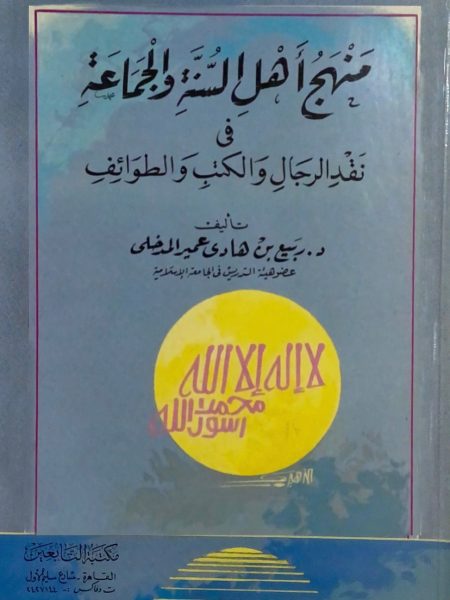
Author's name: Dr. Rabih bin Hadi Umair Al-Madkhali
-
Number of pages: 186 pages
-
The subject of the book: The Methodology of the People of Sunnah and Jama'ah
The contents of the book:
-
Introduction to the next edition
-
Quoting a letter from Sheikh Abdulaziz bin Baz in evaluating the book
-
Quoting Sheikh Abdulaziz bin Baz on the issue of budgets
-
Quoting Sheikh Nasser al-Din al-Albani on the issue of balances
-
Quoting Sheikh Abdulaziz Al-Mohammad Al-Salman on the issue of budgets
-
Sheikh Saleh bin Fawzan Al-Fawzan on the issue of budgets
-
A quote from Sheikh Saleh bin Muhammad al-Luhaidan
-
Sheikh Abdul Muhsin bin Hamad al-Abbad
-
A word by Sheikh Salim Al-Hilali
-
Introduction to the first edition
-
Need sermon
-
The purpose of the Prophet's mission
-
The Rashid caliphs followed the path of the Prophet (peace be upon him)
-
The emergence of sedition and what happened between the righteous Caliph Ali and Muawiya (may Allah be pleased with them both)
-
The emergence of the heresies of the Khawarij, Rawafid, and heretics
-
The spread of heresy and the separation of the Ummah
-
The emergence of Imams who do God's will and call for the truth
-
After centuries of darkness, Sheikh Muhammad ibn Abdul Wahhab emerges in Jazira
-
People of heresy come up with new tricks to bring back their ball and show their heresy
-
The impact of the so-called balancing method and its popularity among Salafi youth
-
In this book, the author endeavored to present the correct approach to criticism
-
The methodology of Islam and its Imams in criticizing and evaluating statements and people, and explaining that true justice is based on this methodology
-
The Qur'an mentions disbelievers, hypocrites, and reprobates without mentioning their merits
-
The Prophet (peace be upon him) warned his Ummah about the people of error
-
The Attitude of the Companions and Followers toward the People of Heresy
-
The Prophet (peace and blessings of Allah be upon him) mentioned the flaws of certain people without mentioning their merits
-
Regulations for individuals and groups
-
Who should be honored
-
First: Messengers and Prophets, may God's peace and blessings be upon them all
-
Secondly: The Honored Companions
-
Thirdly: The followers of the Prophet Muhammad, may Allah have mercy on him
-
Those who can be criticized and criticized and warn people against their harm
-
First: People of Heresy
-
Secondly: Narrators and witnesses if they are injured
-
Third: Those whose absence is permissible.
-
Discussing the evidence of those who believe it is obligatory to weigh the pros and cons, especially in the case of people of heresy
-
Quoting and responding to Salman al-Awda's words
-
Another quote from Salman al-Awda's speech and the response to it
-
Quoting and responding to the words of Ahmed Al-Suwayan
-
Ahmed Al-Suwayan's evidence, refuting it and responding to it in five ways
-
Ahmed Al-Suwayan's words about alcohol
-
Responding to this with evidence from the Qur'an, hadiths, and relics
-
Other examples of not balancing
-
Quoting Ahmad al-Suwayyan on Hudhayfah's question to the Prophet (peace be upon him) about good and evil
-
Refuting and responding to this
-
The rest of the hadith is mentioned, explained and discussed from three sides
-
Four hadiths that show that the balancing approach is not adopted
-
Shaykh al-Islam's stance on heresies and their people and his lack of commitment to mentioning their merits
-
A text from “The Rebuttal of Logic” in favor of responding to the people of heresy over jihad
-
Citing a text from the invocation of Qadr to argue that responding to the people of heresy is jihad
-
A text from reason and transmissions, in criticism of the Ash'arite imams
-
Quoting a text from the Jahmiyyah in reply to al-Razi
-
Providing a text from reason and transmission, showing the path of those who have strayed from the truth
-
A text from the reply to the specialist who speaks without knowledge
-
Text from fatwas on Ash'aris and other Jahmiyyah
-
A text from Minhaj al-Sunnah on the differences and conflicting statements of the innovators and sectarians
-
A text from the Jahmiyyah's deception of the Ash'arites, Mu'tazilites, and their ilk
-
A text from ”Talbis al-Jahmiyyah” in criticizing the sects of the theorists
-
Quoting a text from Al-Sarim Al-Masul regarding the Khawarij
-
A text from al-Fatawa on the agreement to warn against the people of heresy
-
A text from Minhaj al-Sunnah on those whose absence is barked at
-
A text from al-Fatawa on the people of speech and philosophy, including al-Ghazali
-
Nasr's quotation from “Al-Istiqama” in criticizing modernized views on origins and branches
-
A text from the “Letters” on the corruption and misguidance of the methodology of the people of heresy
-
Sections in which backbiting is permissible
-
Quoting Nawawi on the permissibility of backbiting
-
first: Grievance
-
Second: Helping to change the evil and restore the disobedient
-
Third: Referendum
-
Fourth: Warn and advise Muslims against evil
-
Fifth: He must be openly corrupt or heterodox
-
VI: Definition
-
Quoting Ibn Rajab al-Hanbali on the permissibility of backbiting
-
The approach of Ahl al-Sunnah wa al-Jama'ah in warning against people of heresy
-
A text by Ibn Taymiyyah on the permissibility of killing the preacher of heresy
-
Another text by Ibn Taymiyyah on the punishment of the people of heresy
-
Quoting Taqi al-Din al-Maqdisi on sects
-
Citing a text by Ibn al-Jawzi on how innovators are worse than atheists
-
A text by Ibn Taymiyyah on the prohibition of all lying
-
A text by Ibn Taymiyyah on rejecting the testimony of preachers of heresy
-
Citing a text by Ibn Taymiyyah on the fact that those who declare heresy and immorality are not backbiting
-
Citing a text by Ibn Abdulbar on the inadmissibility of leases in any of the
-
People of heresy and error and the inadmissibility of their testimony
-
Citing a text by Ibn Abdulbar on the permissibility of abandoning an apostate
-
Ruling on those who support the people of heresy and support them over the people of Sunnah
-
Al-Qurtubi on the interpretation of the verse: "Do not take a lining from among yourselves.
-
The words of Sheikh al-Islam on those who help the people of heresy, including the people of solution and union
-
Conclusion
-
Seventeen issues learned from previous chapters
-
Quoting great sayings of a number of Muslim imams and scholars
-
Words of Ibn al-Qayyim on jihad against the people of heresy with knowledge and arguments
-
Abu Ubayd al-Qasim ibn Salam on following the Sunnah
-
Fadhil ibn Ayyad on the hypocrisy of those who associate with people of heresy
-
Yahya ibn Yahya al-Nisaburi's defense of the Sunnah
-
Quranic Verses Mare
-
Index of Hadiths
-
Index of Benefits and Themes
Also browse:
-
A special collection of books Beliefs and Worship
-
Guiding the trustworthy to the agreement of the laws on monotheism, reincarnation, and prophecy