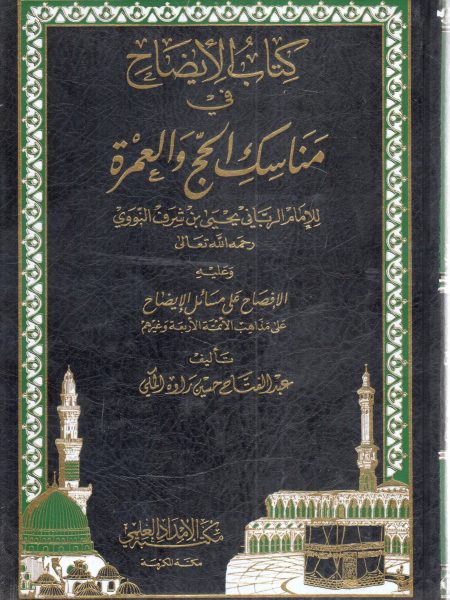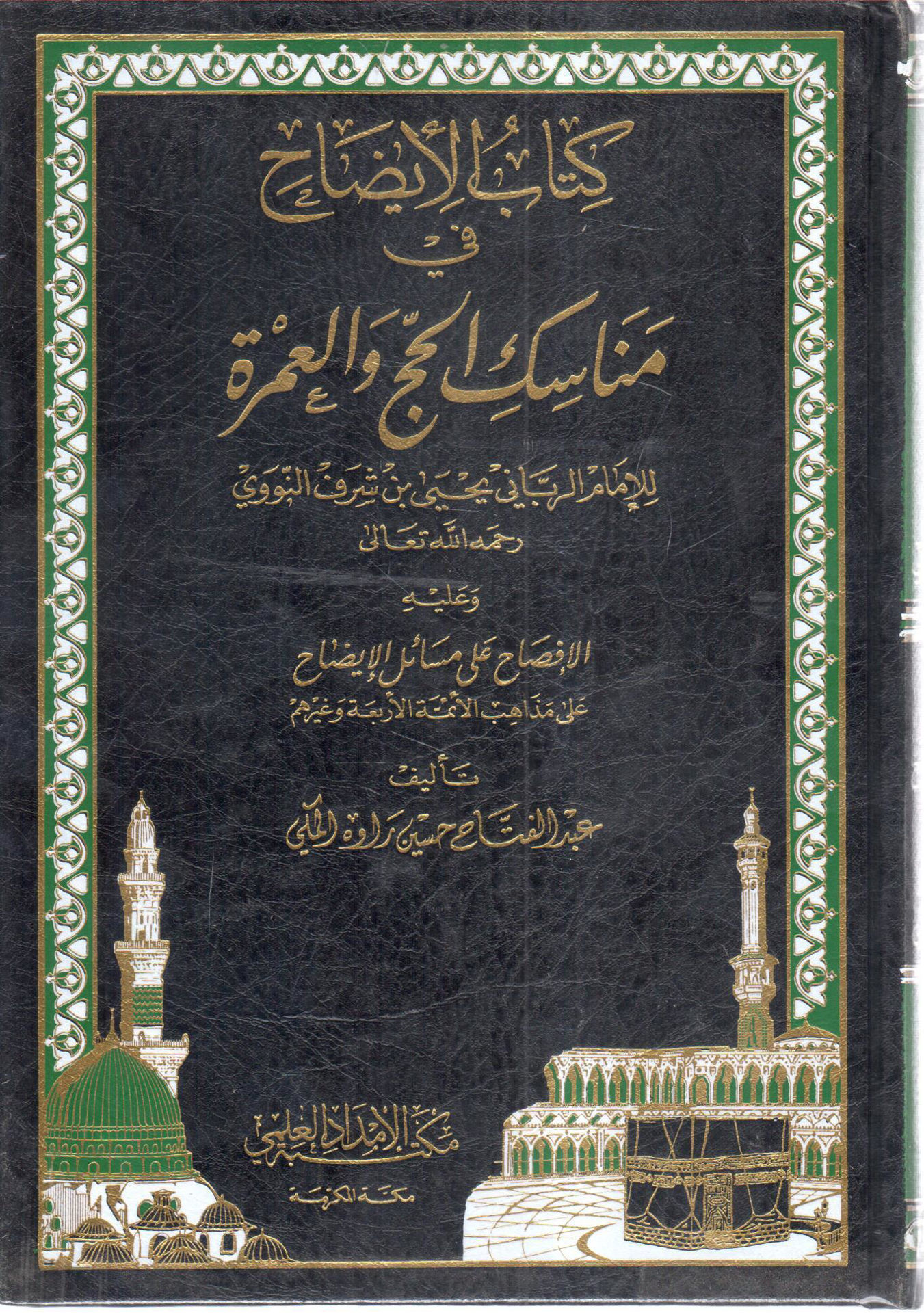
Description
Book description:
- Author's name: Abdul Fattah Hussein Rauh al-Makki
- Number of pages: 526 pages
- The subject of the book: Clarification of Hajj and Umrah rituals
The contents of the book:
- Introducing the author of the illustration
- Introducing the author of the footnote to the illustration
- Introducing the author of the disclosure
- Author's Introduction
- Explanation introduction
- Hajj Secrets and Memories
- Religious and worldly benefits of Hajj
- Part I: Travel Etiquette
- Chapter If he gathers at the time of the first time, he gives her permission etc.
- Chapter It is desirable to pray in congregation when traveling
- Chapter: Sunnahs are recommended in addition to obligatory prayers while traveling, etc.
- Chapter A person traveling to a distance of two stages or more may wipe on his slippers etc. Chapter It is permissible to perform tanfil in long or short journeys on a camel etc.
- Chapter If there is no water, ask for it, and if there is no water, make a tayammum, etc.
- Chapter If he cannot find water, he must ask for it from someone who knows it, etc.
- Chapter It is not permissible to perform tayammum except with clean dust, etc.
- Chapter Wiping the face, etc.
- Chapter It is not permissible to perform tayammum for obligatory prayers until after the time has entered, etc.
- Chapter If he prays with tayammum because there is no water to use, he does not have to repeat the prayer, etc.
- Chapter If he finds neither water nor dirt, he prays according to his condition, etc.
- A chapter on what is commonly known and needs to be known by those who go on the Hajj pilgrimage, and the judgment of those who die with them
- Chapter One of the most important recommendations is that he should be careful to do good deeds, etc.
- A very brief chapter on the obligation of Hajj
- Section II: In ihram
- Chapter on Miqat al-Hajj
- Chapter on Ihram Etiquette
- Chapter on what constitutes ihram and what happens afterward
- Chapter on Talbiya
- Chapter on the prohibitions of ihram, which are of seven types
- The first type: confusion
- The second type: Among the prohibitions of ihram is Tayyib
- The third type: Anointing the hair of the head and beard
- Fourth type: Shaving and nail clipping
- Fifth type: Marriage contract
- Sixth type: Sexual intercourse and its preludes
- Seventh type: Destruction of fishing
- Chapter These are the seven Ihram prohibitions and what is related to them, and women are like men in all of them, etc.
- Chapter What else is not forbidden to a Muharram, other than these seven taboos?
- Section III: On entering Makkah, may Allah increase its honor and magnificence, and what is related to it
- Chapter one: On the etiquette of entering them
- Chapter two: On how to circumambulate
- Chapter Three: On the quest and what is related to it
- Chapter four: Standing at Arafat and what is related to it before and after
- Chapter V: On the Efdha from Arafat to Muzdalifah and what is related to it
- Chapter Six: On the drive to Mina
- Chapter Seven: On the Lawful Actions at Mina on the Day of Sacrifice
- Chapter VIII: What to do in Mina during the days and nights of the Tashreeq
- Section IV: In Umrah, there are issues
- Section V: In the Makkah stay and farewell tawaf.
- Section VI: On visiting the mosque of our master and master Muhammad and the honor, honor, and greatness and what is related to it
- Section VII: What is obligatory for a person who leaves a commandment or commits a forbidden act during his ritual
- Chapter As for committing a prohibited act, etc.
- Chapter It is forbidden to hunt in the city's sanctuary and its trees
- Chapter
- Chapter on whether a mahram does two or more prohibited acts
- Chapter on Ihsar
- Section VIII: The Hajj of a child, a slave, a woman, and the like
- Chapter When a child becomes Muharram, he can do whatever he is capable of, etc.
- Chapter Excess child support, etc.
- Chapter prohibiting the prohibitions of ihram for a child who is forbidden to perform ihram
- Chapter If the boy has sexual intercourse, etc.
- Chapter The rule of an insane person is the same as that of a child, etc.
- Chapter If a child reaches puberty during the Hajj
- Chapter A slave's Ihram is valid etc.
- Chapter on the etiquette of returning from Hajj
- A chapter on the guardianship of the Hajj in Al-Aqdas Al-Sultaniyya, in which I mention, God willing, the purposes of the chapter.
- A chapter that concludes the book, even though it has no specialization in rituals
Also browse:
- A special collection of Religious books
- Nafhat al-Abir in Tafsir Tasks
Get the book Al-Ishayh on Hajj and Umrah rituals
This book is an important and interesting book presented by the author with the aim of helping pilgrims and Umrah pilgrims to familiarize themselves with everything they need, and this book has gained great popularity.
Book description:
- Author's name: Abdul Fattah Hussein Rauh al-Makki
- Number of pages: 526 pages
- The subject of the book: Clarification of Hajj and Umrah rituals
The contents of the book:
- Introducing the author of the illustration
- Introducing the author of the footnote to the illustration
- Introducing the author of the disclosure
- Author's Introduction
- Explanation introduction
- Hajj Secrets and Memories
- Religious and worldly benefits of Hajj
- Part I: Travel Etiquette
- Chapter If he gathers at the time of the first time, he gives her permission etc.
- Chapter It is desirable to pray in congregation when traveling
- Chapter: Sunnahs are recommended in addition to obligatory prayers while traveling, etc.
- Chapter A person traveling to a distance of two stages or more may wipe on his slippers etc. Chapter It is permissible to perform tanfil in long or short journeys on a camel etc.
- Chapter If there is no water, ask for it, and if there is no water, make a tayammum, etc.
- Chapter If he cannot find water, he must ask for it from someone who knows it, etc.
- Chapter It is not permissible to perform tayammum except with clean dust, etc.
- Chapter Wiping the face, etc.
- Chapter It is not permissible to perform tayammum for obligatory prayers until after the time has entered, etc.
- Chapter If he prays with tayammum because there is no water to use, he does not have to repeat the prayer, etc.
- Chapter If he finds neither water nor dirt, he prays according to his condition, etc.
- A chapter on what is commonly known and needs to be known by those who go on the Hajj pilgrimage, and the judgment of those who die with them
- Chapter One of the most important recommendations is that he should be careful to do good deeds, etc.
- A very brief chapter on the obligation of Hajj
- Section II: In ihram
- Chapter on Miqat al-Hajj
- Chapter on Ihram Etiquette
- Chapter on what constitutes ihram and what happens afterward
- Chapter on Talbiya
- Chapter on the prohibitions of ihram, which are of seven types
- The first type: confusion
- The second type: Among the prohibitions of ihram is Tayyib
- The third type: Anointing the hair of the head and beard
- Fourth type: Shaving and nail clipping
- Fifth type: Marriage contract
- Sixth type: Sexual intercourse and its preludes
- Seventh type: Destruction of fishing
- Chapter These are the seven Ihram prohibitions and what is related to them, and women are like men in all of them, etc.
- Chapter What else is not forbidden to a Muharram, other than these seven taboos?
- Section III: On entering Makkah, may Allah increase its honor and magnificence, and what is related to it
- Chapter one: On the etiquette of entering them
- Chapter two: On how to circumambulate
- Chapter Three: On the quest and what is related to it
- Chapter four: Standing at Arafat and what is related to it before and after
- Chapter V: On the Efdha from Arafat to Muzdalifah and what is related to it
- Chapter Six: On the drive to Mina
- Chapter Seven: On the Lawful Actions at Mina on the Day of Sacrifice
- Chapter VIII: What to do in Mina during the days and nights of the Tashreeq
- Section IV: In Umrah, there are issues
- Section V: In the Makkah stay and farewell tawaf.
- Section VI: On visiting the mosque of our master and master Muhammad and the honor, honor, and greatness and what is related to it
- Section VII: What is obligatory for a person who leaves a commandment or commits a forbidden act during his ritual
- Chapter As for committing a prohibited act, etc.
- Chapter It is forbidden to hunt in the city's sanctuary and its trees
- Chapter
- Chapter on whether a mahram does two or more prohibited acts
- Chapter on Ihsar
- Section VIII: The Hajj of a child, a slave, a woman, and the like
- Chapter When a child becomes Muharram, he can do whatever he is capable of, etc.
- Chapter Excess child support, etc.
- Chapter prohibiting the prohibitions of ihram for a child who is forbidden to perform ihram
- Chapter If the boy has sexual intercourse, etc.
- Chapter The rule of an insane person is the same as that of a child, etc.
- Chapter If a child reaches puberty during the Hajj
- Chapter A slave's Ihram is valid etc.
- Chapter on the etiquette of returning from Hajj
- A chapter on the guardianship of the Hajj in Al-Aqdas Al-Sultaniyya, in which I mention, God willing, the purposes of the chapter.
- A chapter that concludes the book, even though it has no specialization in rituals
Also browse:
- A special collection of Religious books
- Nafhat al-Abir in Tafsir Tasks