Description
Book description:
-
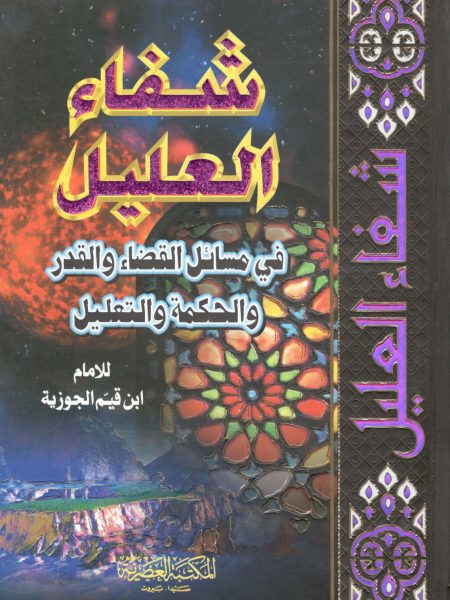
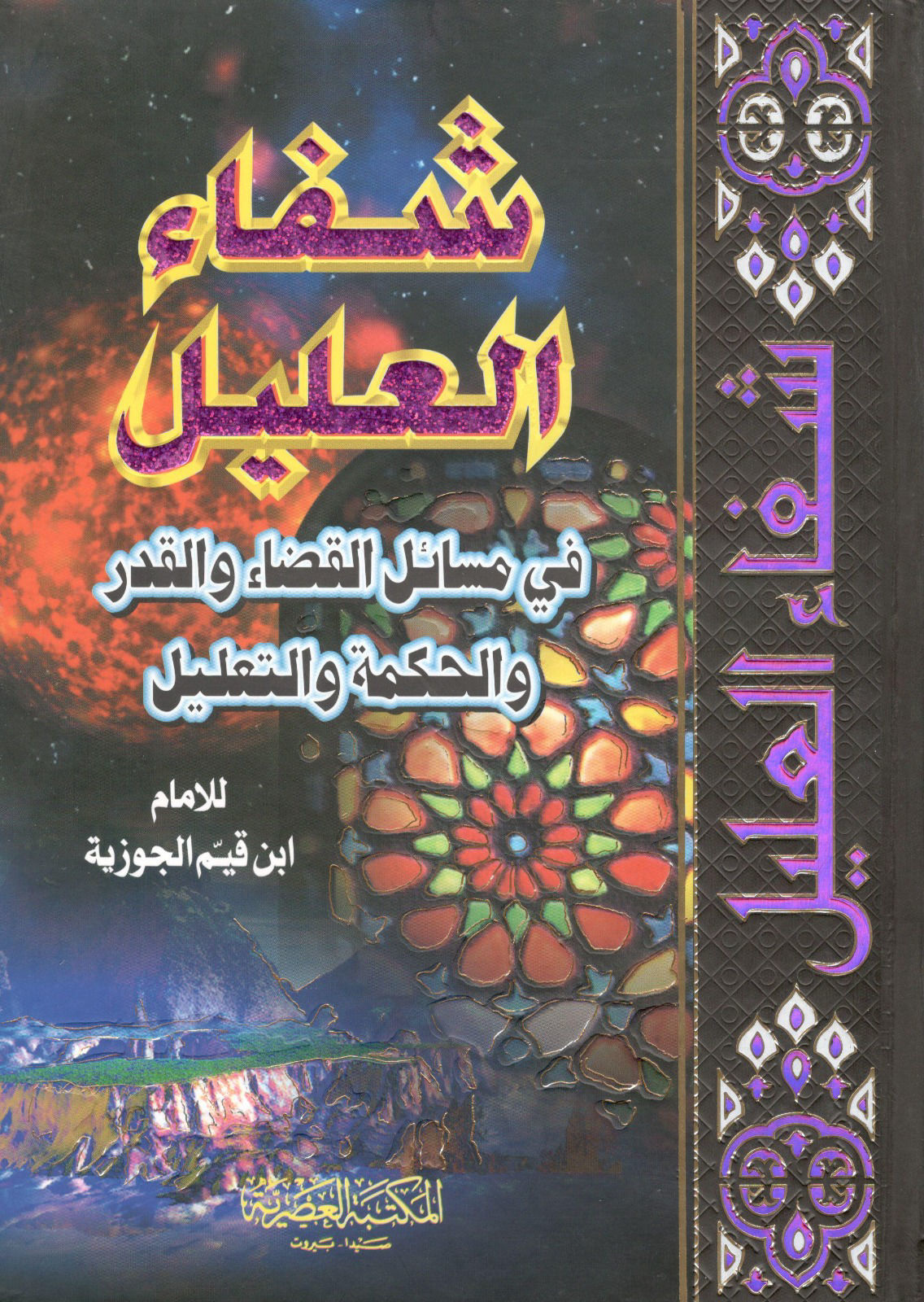
Author's name: Ibn al-Qayyim al-Jawziyah
-
Number of pages: 606 pages
-
The subject of the book: Healing the Wounded in Matters of Judgment, Destiny, Wisdom, and Reasoning
The contents of the book:
-
Introduction
-
Part I: The estimation of destinies before the creation of the heavens and the earth
-
The second chapter: The Lord Almighty determines the misery and happiness of His servants, their livelihoods, their time, and their deeds before creating them, which is a second determination after the first one
-
Chapter Three: The Prophet's (peace and blessings of Allah be upon him) judgment of Adam and Moses in this matter.
-
Chapter Four: In mentioning the third estimation of the fetus in its mother's womb, which is the estimation of its misfortune, happiness, livelihood, fate, work, and everything else it meets, and mentioning the combination of the hadiths mentioned in this regard
-
Chapter Five: The Fourth Estimation of Laylat al-Qadr
-
Section VI: In the fifth daily estimate
-
Seventh chapter: It is not necessary to abandon one's deeds, but rather to be diligent and careful.
-
The eighth chapter: On the Almighty saying: {Those who have already received the good news from us are far away from it}
-
Section IX: On the saying: {We created everything with a destiny}
-
Tenth chapter: On the ranks of fate and destiny, which whoever does not believe in them does not believe in fate and destiny.
-
Chapter Eleven: On the second rank, which is the rank of writing
-
Chapter Twelve: The third order of fate and destiny is the order of will
-
Chapter Thirteen: The fourth rank of the ranks of fate and destiny, which is the rank of God's creation, formation, and creation of deeds
-
Chapter Fourteen: On guidance and misguidance, their degrees, and what is and is not possible for creation
-
Chapter Fifteen: On imprinting, sealing, locking, locking, blocking, occlusion, and the barrier between the unbeliever and faith, and that this is assigned to the Lord Almighty
-
Chapter Sixteen: The Sunnah states that the Almighty is uniquely responsible for creating the deeds of the servants, just as He is uniquely responsible for creating their souls and attributes.
-
Chapter Seventeen: The meaning of the two terms in language and terminology, as well as their negation and affirmation.
-
Chapter Eighteen: Verbs and Verbs in Judgment, Destiny, and Causation, and the mention of action and reaction
-
Chapter Nineteen: A debate between Jabri and Sunni who were brought together by a study council
-
Twentieth chapter: A debate between a Qadri and a Sunni
-
Chapter XXI: On the Evilness of Divine Judgment
-
Chapter Twenty-Two: On the fulfillment of the quasi-beneficiaries of wisdom and reasoning and stating the answers to them
-
Chapter Twenty-Three: On the fulfillment of the Naflain quasi-wisdom and reasoning and stating the answers to them
-
Chapter Twenty-Four: The Salaf said that one of the fundamentals of faith is belief in fate, good and evil, good and bad, bittersweet and bitter.
-
Chapter Twenty-Five: On the impossibility of stating that God Almighty is the willer and doer of evil
-
Chapter Twenty-Six: What is implied by his saying: “O Allah, I seek refuge in your favor from your displeasure” in terms of realizing and proving fate and the great secrets contained in the hadith
-
Chapter Twenty-Seven: Belief in fate, justice, monotheism, and wisdom is included in the Prophet's saying: “I am just in Your judgment, and I am just in Your judgments” and the rules in this hadith.
-
Chapter Twenty-eight: The rulings on consenting to judicial decisions and the differences between people in this regard, and the realization of the argument
-
Chapter Twenty-Nine: The division of judgement, ruling, will, writing, command, permission, making, words, and resurrection
-
Chapter Thirty: On the meaning of the first instinct, its meaning, and the difference in people's views on what it means, and that it does not contradict the fate of evil and misguidance.