Description
Book description:
-
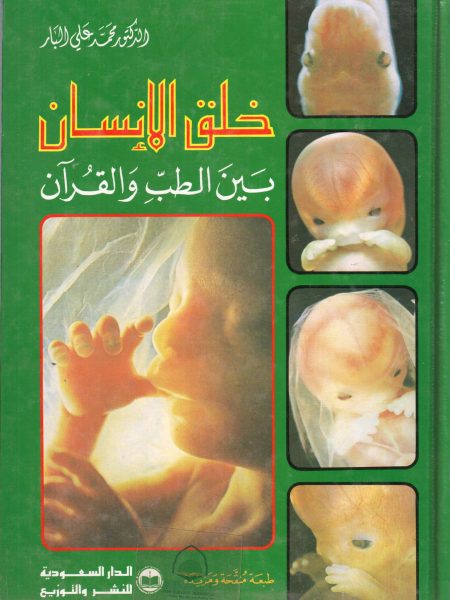
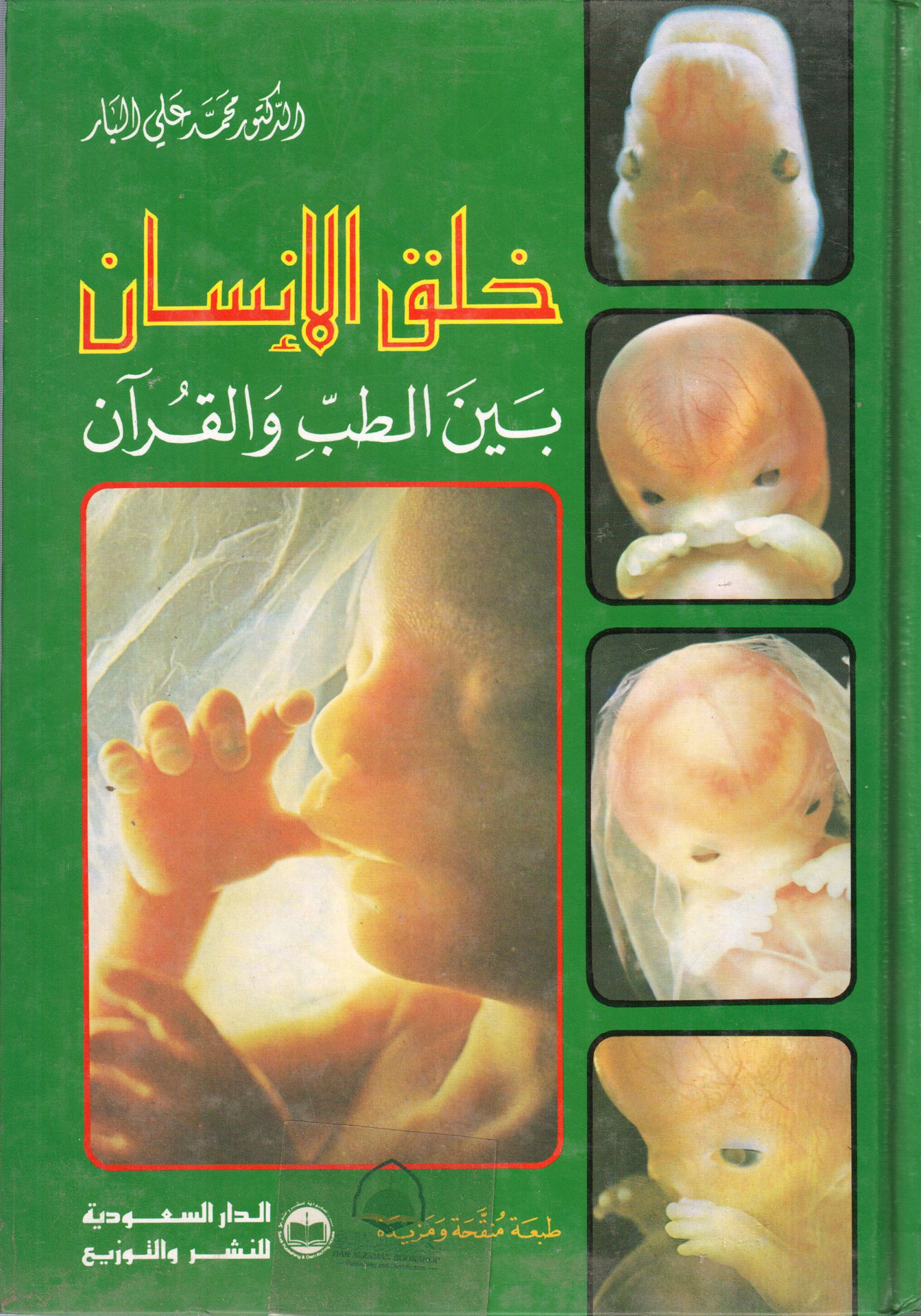
Author's name: Dr. Muhammad Ali Albar
-
Number of pages: 537 pages
-
The subject of the book: The book deals with the creation of human beings from sperm to adulthood
The contents of the book:
-
Introduction to the third edition
-
Introduction to the first edition
-
Prelude: Reproduction
-
Chapter one: The Male Reproductive System
-
testicle
-
Epididymis
-
Seminal vesicle
-
prostate
-
Urethra
-
The wisdom of circumcision
-
Chapter II: The Female Reproductive System
-
Internal genitalia
-
Ovaries
-
uterus
-
Uterine ducts
-
Vagina
-
Visible genitalia
-
Chapter three: Adulthood
-
Cause of puberty
-
Male puberty
-
Female puberty
-
Chapter four: Empowered Decision
-
pelvis
-
Pelvic and perineal muscles
-
Pelvic pacifiers
-
Uterine ligaments
-
Supporting other organs in the pelvic cavity
-
Balance the pressure in the abdominal cavity and pelvic cavity
-
Vaginal neck
-
pregnancy hormone: Progesterone
-
Chapter five: Uterine cycle
-
The uterus of the child
-
Adult female uterus
-
Secretion stage
-
Uterine cycle in pregnancy
-
Chapter Six: Menstruation between medicine and jurisprudence
-
Names of menstruation
-
Menstruation of animals
-
Definition and Characteristics of Menstruation
-
Definition of menstruation in the four schools of thought
-
When menstruation begins
-
Less and more menstruation
-
Opinion of medicine
-
Comparison of the characterization of menstrual blood between hadith and doctors' words
-
Cause of menstruation
-
Growth stage
-
Secretion stage
-
Menstrual phase
-
Menstruation and menstruation
-
Menstrual intercourse
-
Menstrual harm
-
Chapter Seven: Sperm
-
Types of sperm
-
Semen
-
From every sperm, a child is born.
-
Crucifixion and laparotomy
-
Does a woman have water
-
Chapter VIII: Secrets of the Cell and Sperm
-
Claiming Male-Female Symmetry
-
Secrets of chromosomes
-
Normal split
-
Reductionist split
-
Masculinity and femininity
-
The role of women in determining masculinity and femininity
-
Likeness
-
marital
-
God's words
-
World of Atoms
-
Chapter Nine: Estimation in spermatozoa
-
Sweat tendency
-
Chapter ten: Man's sperm
-
Why the egg is large and the sperm is small
-
Why there are too many sperm and too few eggs
-
Chapter Eleven: The egg is formed in the ovary
-
Woman's sperm
-
A woman's egg is the largest human cell
-
Chapter Twelve: Gametes
-
A little history
-
Chapter Thirteen: Gametes in the Qur'an, Sunnah, and Embryology
-
Interpretation of verses
-
Prophetic conversations
-
Sperm in Embryology
-
Results of spermatogenesis
-
The cleavage and splitting stage of the sperm
-
Chapter Fourteen: Leech
-
The word leech by commentators
-
Leeches in language
-
The leech stage in embryology
-
Outer layer
-
Inner layer
-
Created and Uncreated
-
Chapter Fifteen: Description of the leech
-
Chorioallantoic membrane (Koreans)
-
Third attachment (sling)
-
Chapter Sixteen: What Happens After Breastfeeding
-
Second week
-
Eighth day
-
Ninth day
-
Day eleven and twelve
-
Day Thirteen
-
Third week
-
Embryonic plaque
-
Primitive notochord formation
-
Chapter Seventeen: The Embryo (Week 4)
-
Germ layer derivatives
-
Ectoderm derivatives
-
Mesoderm derivatives
-
Intoderm derivatives
-
Chapter Eighteen: Bones and limbs
-
Membranous bones
-
Cartilaginous bones
-
Bone and limb formation (fifth, sixth and seventh week)
-
Roles of spine formation
-
Ribs
-
Parties are
-
Skull formation
-
Chapter Nineteen: The sex of the fetus, boy or girl
-
Visible genitalia
-
Chapter XX: Composition of the face
-
Fourth through eighth week of facial formation
-
Chapter Twenty-One: Hearing formation
-
Formation of the inner ear
-
Middle ear
-
External ear
-
Ear flint
-
External auditory canal
-
Chapter Twenty-Two: Sight formation
-
Optical lens
-
Sclera, cornea and choroid
-
Eyelids
-
Lacrimal glands
-
Chapter Twenty-Three: Some Birth Defects
-
Chapter Twenty-Four: Voluntary Movements in the Fetus (Breathing of the Soul)
-
Chapter Twenty-Five: Fetal Stages in the Qur'an and Embryology
-
The Qur'anic division of fetal development
-
Sperm stage
-
Leech stage
-
Chewing stage
-
Bone and flesh stage
-
Then we created another creation
-
Embryology's division of fetal development
-
Fertilized Egg Stage
-
Week five to week eight
-
Third month to birth
-
Chapter Twenty-Six: A Study of the Hadiths on the Creation of Man
-
Hadiths about sperm
-
Hadiths on the Stages of Creation
-
Creator's collection
-
الإمام ابن القيم
-
Ibn Hajar al-Asqalani
-
رواية مسلم في باب القدر
-
الإجهاض التلقائي
-
ما جعل الله لمسخ من نسل
-
العمر من بداية آخر حيضة
-
الفصل السابع والعشرون: تقدير عمر الجنين
-
العمر منذ بداية التلقيح
-
جدول الأطوال والأعمار
-
جدول بالعمر مقارنًا بالكتل البدنية
-
جدول بالأعمار حسب الطول
-
الفصل الثامن والعشرون: الظلمات الثلاث
-
غشاء السلي (الأمنيون)
-
غشاء الكوريون (المشيمي)
-
الغشاء الساقط
-
المشيمة
-
الدورة الدموية في المشيمة
-
الفصل التاسع والعشرون: الإجهاض
-
تعريف الإجهاض
-
أسباب الإجهاض
-
أسباب الإجهاض التلقائي
-
خلل في البويضة الملقحة
-
خلل في جهاز المرأة التناسلي
-
أمراض عامة في الأم
-
إصابة الأم
-
نقص هرمون البروجسترون
-
الأدوية والعقاقير
-
أنواع الإجهاض
-
الإجهاض المنذر
-
الإجهاض المحتم
-
الإجهاض المختفي
-
الإجهاض المتكرر
-
حكم الدين في الإجهاض
-
الفصل الثلاثون: الحمل والولادة والنفاس والرضاعة
-
متى تعرف الأم أنها حامل
-
متاعب الحمل
-
Gastrointestinal tract
-
القلب والجهاز الدوري
-
Respiratory system
-
الغدد الصماء
-
العظام والأسنان
-
الحالة النفسية
-
مدة الحمل
-
أقل الحمل
-
أكثر الحمل
-
الحمل الكاذب
-
الولادة
-
وضع الجنين
-
آلام الطلق
-
تحريض وتسهيل الولادة
-
تيسير سبل الولادة
-
Puerperium
-
تعريف النفاس
-
دم النفاس
-
النفاس عند الفقهاء
-
أقل النفاس وأكثره
-
الرضاعة
-
فوائد الرضاعة
-
للوليد
-
للأم
-
الفصل الواحد والثلاثون: التوائم
-
التوائم غير المتشابهة
-
التوائم المتشابهة
-
التوائم السيامية
-
التوائم المتعددة .
-
الفصل الثاني والثلاثون: من غرائب الحمل والولادة
-
الولادة بدون أب
-
حمل فوق حمل
-
الحمل من واطئين
-
الفصل الثالث والثلاثون: الحمل رغم الحمل
-
طرق منع الحمل
-
الأحاديث الواردة في العزل
-
رأي الشيخ يوسف القرضاوي في العزل وتنظيم النسل
-
مسوغات التنظيم النسل
-
أسباب فشل العزل في منع الحمل
-
تنظيم الجماع
-
الفصل الرابع والثلاثون: طفلة الأنبوب
-
التلقيح الصناعي
Also browse:
-
A special collection of books The Holy Quran and its sciences