Description
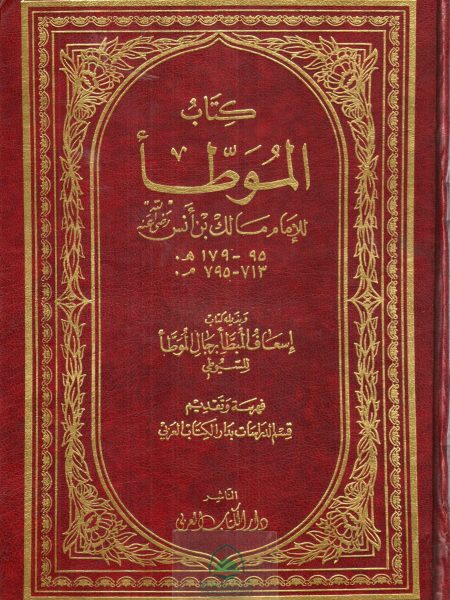
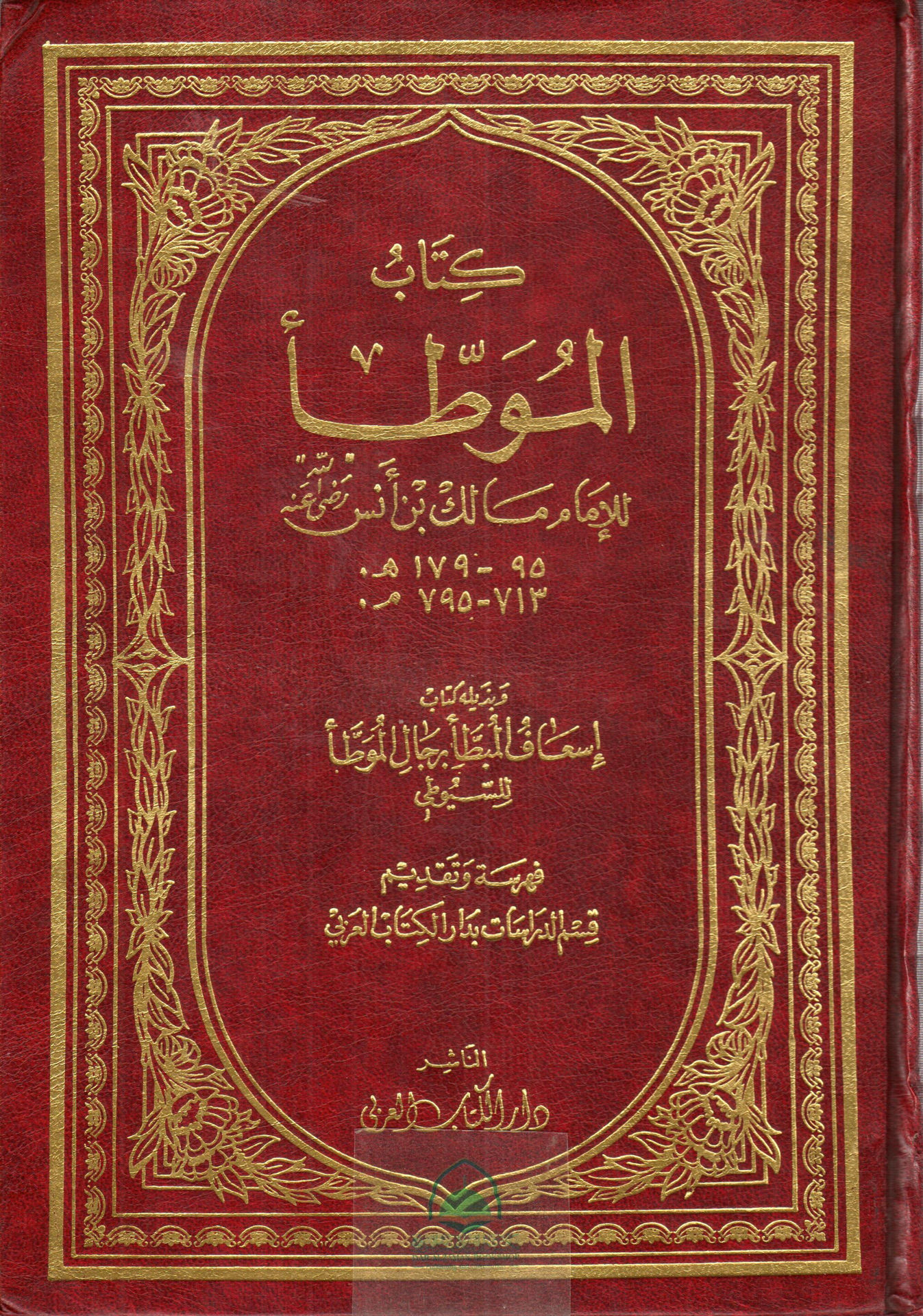
Book description:
-
Author's name: Malik bin Anas
-
Number of pages: 968 pages
-
The subject of the book: The Mutta' narrated by Yahya ibn Yahya
The contents of the book:
Investigation introduction
The Foundation's introduction to Imam Malik's Mawtooqat
Speech by Sheikh Sayed Ali Al-Hashemi
Bootstrap
The Purpose of Human Creation
People obey God by following the prophets and messengers
Obedience to Muhammad (peace be upon him)
Medina radiates to the world
Al-Madinah Dar Al-Sunnah and the Center for the Graduation of Imams
Famous Companions in Medina
Famous Disciples in Madinah
Malik ibn Anas, may Allah have mercy on him, his biography and his approach to study and teaching
Malik's family
Grandfather of Malik ibn Anas
Malik's uncle
Malik's father
Umm Malik
Malik's birth
Malik's children
Malik and the beginning of his education
The reason why Malik is so serious about seeking knowledge
Malik's Approach to Learning (Characteristics of his Shaykhs)
Malik's sheikhs
Result
Malik and his preservation of knowledge
Malik and his science writing
Malik and his education
Imam Malik is the custodian of the civilian scientific heritage
The civilian heritage from the first century to Malik through the disciples of the seven jurists
The seven jurists: Hadiths and relics narrated by them in the Mawtooqa
Malik and the beginning of his teaching
Malik and his Scientific Council
Malik and his distinction between Majlis al-Hadith and Majlis al-Fiqh
His rating of his students
Teaching Malik at the Prophet's Mosque
Malik's home schooling
Reading in Malik's Majlis
The amount of reading in Majlis Malik
Punishment for excess
Malik is influenced by good ordering
Writing in the lesson of Imam Malik (may Allah have mercy on him)
Malik corrects his companions' books
Correspondence with Malik
Malik and his hadiths
Number of hadiths narrated by Malik in the various books of Sahih Bukhari
Imam Malik and his concern for the text
Malik, writing, and authorization
Malik: Presentation and hearing are the same
Imam Malik's writings
Malik's ordeal
His moral and ethical qualities
His clothes
Darrah
Eating and drinking
His death
His burial
Estate of Malik ibn Anas
Imam Malik's Mawtooq, motives for writing it, and the date of its compilation
Causes and Motivations of the Mawtoo'ah
Motivations for authorship
Caliph al-Mahdi's request for the book
Caliph Abu Jaafar al-Mansur's request for the book
Abu Jaafar al-Mansur requests the Muta'a for perusal
Conclusion of the research
Personal Motivation for Composing the Mawtoo'ah
When was the Mawtoo'ah created?
The order of the articles in the Mawtoo'ah
Description of the Muta'a book
Error in Malik's book
What is the source of «Malik was asked»?
Al-Adhami's approach to the issue
First example
Second example
Third example
Fourth example
Muta'a: Rationalization and revision
Al-Ghafqi and his study of the Mutawatatat
Al-Dani and his study of Yahya's narration compared to others
The result of Dani's comparison between Yahya's narration and others
Reasons for dropping materials
Malik and his late addition of hadiths in the Mawtooqa
Distinguishing between the Mawtasa and the accounts of hadiths from Malik outside the Mawtasa
The status of the Mawtooqa hadiths
Narrators of Malik
Door A
Door B
W door
C door
Door H
H door
Door D
T door
G door
Seventh door
Shin door
SAD door
Z door
Door I
Eye door
Gaines' door
Chapter F
Door to the sleeve
K door
L door
Section M
Nylon door
F door
E door
Section J
The chapter on surname holders
Chapter for those whose surname cannot be found
Female Narrators
What Al-Khatib overlooked in the narrators that Al-Qurashi recognized
Narrators of the Muwatta from Imam Malik
The system used to maintain books by modernizers
List of Narrators of the Mawtoo'ah
Some of Malik's sayings
It is obligatory to follow the Sunnah of the Messenger of Allah, may Allah bless him and grant him peace
Not interpreting the verses and hadiths of the attributes
Not arguing about religion
The status of the Companions
People who sin are believers
On the virtues of the city
Peace be upon the Prophet (peace be upon him)
No two religions will remain in the Arabian Peninsula
Imam Malik's realism
Fatwa literature
Taking precautions
breadth of his knowledge
His modesty
Teaching literature
Requesting Hadith from the people
Recognizing the difference between "we told you so" and "we told you so" in carrying the flag
Abstaining from illicit money and dealing with disobedient, non-Muslims
Preaching God's mercy
The command
Remembering the Almighty
Some prayers
Raising the hands in prayer
Respect for the mosque
Local Quran
Save the tongue
Kindness and politeness
Actions belie words
Gnomes
Issues related to the Muta'ah
The authorship and history of the Mawtoo'ah
Kothari discussion
When was the Mawtoo'ah composed?
Miklos Morani and Ismail Ibn Abi Owais
Words of the Imams regarding Malik ibn Anas
Scholars' Notes on Malik
What critics said about Ismail ibn Abi Owais
Debating Morani's claim
When was Ismail ibn Abi Awais born?
Habib ibn Abi Habib and his manipulation of the Mawtas
Discussion of the topic
Pause with Norman Calder
Abstracts of Calder's conclusions
General observations on Norman Calder's approach
Infinite generalization
Denial of sources
My service to the book
Choosing the Mawtoo'ah copies
Ibn Bashkawal's copy
First manuscript
Problems with ancient manuscripts in general
Their advantages: Symbols for old novels
Comparison with Ibn Bashkawal's version
Disadvantages of Symbolization
A study of the attribution tree of the narrators of the original as mentioned in the first page of the original
Narrators of the original
Translation of Ubaydullah ibn Yahya
Translation of Yahya ibn Abdullah ibn Yahya
Translation of Muhammad ibn Faraj (Ibn al-Tala'a)
Second manuscript
Headphones
Symbols for different narratives
Attribution tree for copy Q
A study of the Q copy's semantics
Translation of Ibn Fattis
Translation of Sulaiman bin Khalaf bin Saadoun
Translation of Muhammad ibn al-Walid al-Tartushi
Translation of Ismail ibn Makki
Translation of Abdullah bin Abdulrahman al-Othmani
Third manuscript
Translation of the scribe of the third copy
Hearing on Shreih's copy
Fourth manuscript
Study the attribution of the B copy
Copy Attribution Tree in the Light of Parallelism
Titles of the narrators of the fourth manuscript
Translation of Muhammad ibn Waddah al-Andalusi
Qasim ibn Asbgh
Translation of Abdul Warith ibn Sufyan ibn Habron
Translation of Ibn Abdulbar
Abu Imran Musa ibn Abd al-Rahman al-Shatibi
Fifth manuscript
Sixth manuscript
Tunisian edition
The order of the articles in the Mawtoo'ah
General notes on the comparison
Names and order of the books in the original
Names and order of the books in the Q (Ankara) copy
Names and order of the books of the Mawtooqa in Shurayh's copy
The names and order of the books in the Paris manuscript
Names and order of the books of the Mawtooqa in the Faisal Center for Research and Islamic Studies (Faisal Center for Research and Islamic Studies)
Masterpiece Edition Ranking
Names of the books of Imam Malik's Mawtooqa in Fouad Abdel Baqi's edition
Index of the Mawtas of Imam Malik (Tunisian Edition)
Comparing the Tunisian version and Fouad Abdelbagi's version
General comparison of all manuscripts and publications
Conclusion of the comparison
Follow the printed version in the order of the book
Investigation approach
The approach used in the Sultan Abdul Hamid edition to show the differences
Sample sheet from the margins of Al-Bukhari
Explanation of some symbols in Bukhari's models
The codes found in the three manuscripts of the Mawtooqa used to realize the book.
Copy codes referenced in the original
Workflow
Approach to numbering the book
Serializing the entire book
Numbering system used
Keeping Fouad Abdelbaqi's number
The scribe's approach to writing omissions in the body of the text
The scribe's approach to different narratives
Meanings of words
Comments from Al-Jawhari Al-Ghafiqi's Mawtooqa Musnad
Graduation
Indexes
Samples of manuscripts used for study and investigation
Appendix to the introduction
References
And prayer sustenance
Friday time
On who realizes a rak'ah of the prayer
What is said about the dawn and dusk of the night
Waqt collector
Sleeping through prayers
The prohibition against praying in the desert
The prohibition against entering the mosque with garlic odor, [and covering one's mouth in prayer]
Labor in ablution
The ablution of a sleeper if he rises to prayer
Tahor for ablution
What does not require ablution
Leaving ablution from what has touched the fire
Ablution collector
What is said about wiping the head and ears
What is said about wiping on the slippers
Working in Wiping on Moccasins
What comes about a nosebleed
Working in epistaxis
Working with a person who is overcome by blood from a wound or nosebleed
Ablution from mucus
Permission to forgo ablution from mucus
Ablution from touching the vulva
Ablution from a man kissing his woman
Labor in washing the janaba
The obligation of ghusl if the two circumcisions meet
The ablution of a janib if he wants to sleep or eat [before he washes]
Repeating the prayer. Washing him if he prays and does not remember. And washing his dress
Washing a woman if she sees in a dream what a man sees in a dream
Janaba Washing Collector
In tayammum
Working with Taimam
In Timam al-Janib
What a man can do with his wife while she is menstruating
Menstrual hygiene
Menstruation collector
Menstruation
What is said about a boy's urine
What is said about urinating standing up, etc.
What is said about miswak
Prayer book
The Call to Prayer
Calling while traveling and without ablution
The amount of suhoor from the call
Opening prayer
Reading at sunset and dinner
Working in Reading
Reading in the morning
The Mother of the Qur'an
Reading behind the imam when he does not read aloud
Leaving the reading behind the imam when he speaks loudly
What is said about insurance behind the imam
Labor in Sitting in Prayer
Tashahhud in Prayer
What to do if someone raises his head before the imam
What to do if someone salutes in two rak'ahs unintentionally
If the praying person doubts his prayer, he should complete what he mentioned
Those who get up after completion or in the two rak'ahs
Looking at things that distract you from prayer
[Book of Omission]
Work in Omission
Working on Friday's wash day
What came about listening on Friday while the imam is sermonizing
What was said about those who realized a rak'ah on Friday
What is said about those who sneeze on Friday
What came about in the Friday endeavor
What comes about the Imam staying in a village on Friday while traveling
What is said about the hour on Friday
Getting in shape, crossing necks, and receiving the imam on Friday
Reading in the Friday Prayer, the Ihtaba', and those who leave it without an excuse
Encouraging Prayer in Ramadan