Description
Book description:
-
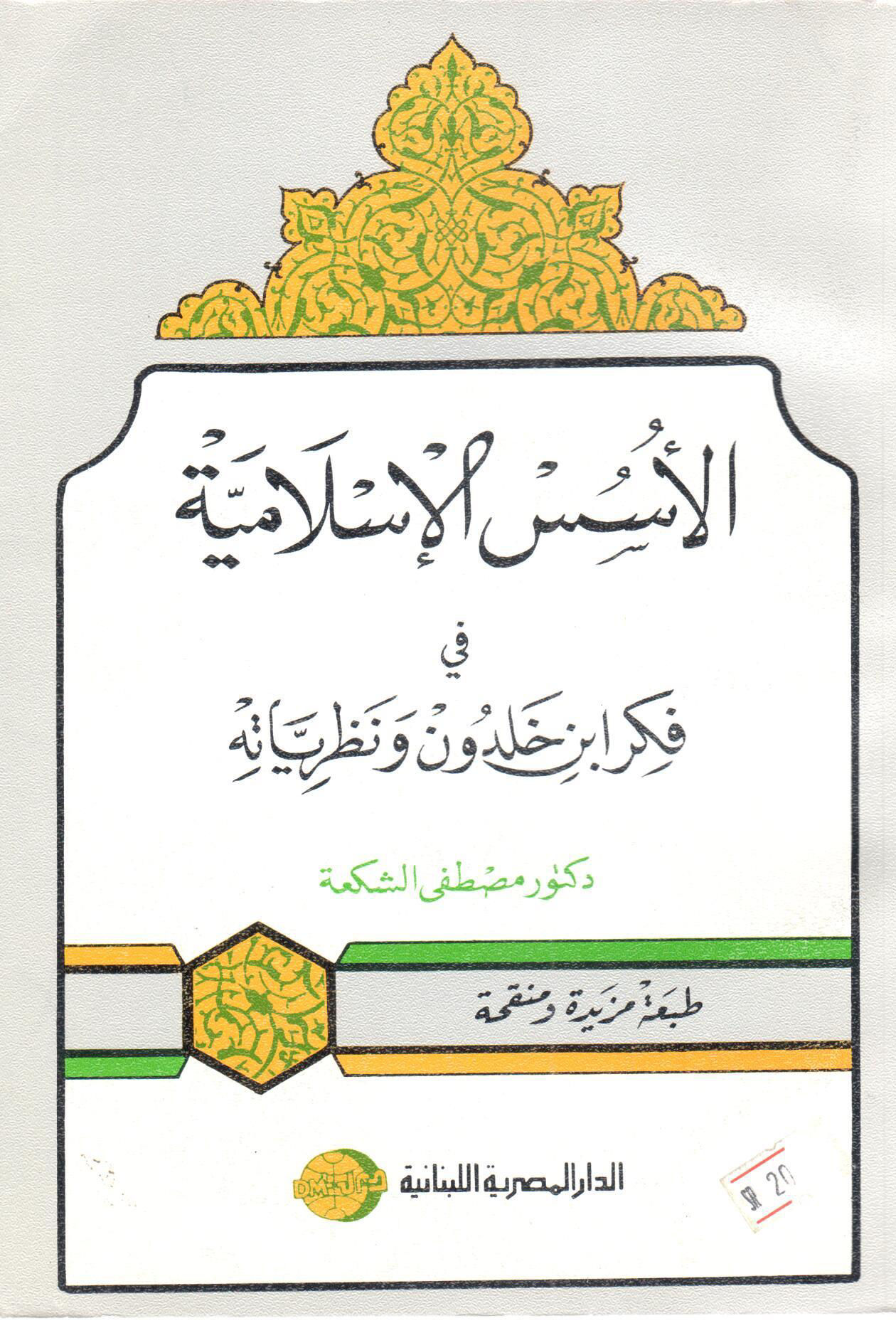
Author's name: Mustafa al-Shaka'a
-
Number of pages: 250 pages
-
The topic of the book: Islamic foundations in Ibn Khaldun's thought and theories
The contents of the book:
-
Introduction to the third edition
-
Introduction to the second edition
-
Introducing the book
-
Part I: Features of Ibn Khaldun's personality
-
Ibn Khaldun's personality and approach to Egypt and its impact on him
-
Part II: The science of history and its impact on urbanism
-
Entrance
-History is the foundation of sociology Ibn Khaldun's historical approach Ibn Khaldun was influenced by the scholars of al-Jarah wa al-Ta'dil
-
Section III: Human Urbanism and Human Socialization
-
Entrance
-
Human socialization is essential to civilization
-
Theme
-
Nomads are the origin of urbanization
-
Urbanization
-
Pension faces
-
Trades
-
Science and education
-
Locations of cities
-
The king: Its necessity and approach
-
Nervousness
-
Ages of countries
-
The Urban Theory Bottom Line
-
Section IV: Islamic Urbanism: Foundations and Formation
-
Bootstrap
-
Islamic foundations
-
Ages of countries
-
System of government
-
Ibn Khaldun adopts Tahir ibn al-Hussein's book
-
He adopts Umar's message in the judiciary
-
Compliance with the law
-
Features of the Khalduni Islamic Society
-
The Islamic Theory of Urbanism Beginning and Ending
-
Section V: Ibn Khaldun's Imamate
-
Entrance
-
Theme
-
The Khaldunian Approach to the Imamate
-
Succession is a religious and socio-political function
-
Ibn Khaldun's Jurisprudential Image of the Imamate
-
Neuroticism and the conditions of Imamate
-
Mandate of the Crown
-
Section VI: Ibn Khaldun Takes on Ibn al-Nafis
-
Entrance
-
Human Sociological Theory
-
Islamic Caliphate as a system of government
-
Section VII: An Opinion on Neural Theory
-
Nervousness is a key ingredient
-
Neuroticism is a substitute for Qurayshi lineage!
-
Examples that lack historical support
-
Discussing Neural Theory
-
A state based on the lack of neuroticism of its princes
-
Section VIII: Ibn Khaldun and the Arabs
-
Accused of Anti-Arabism
-
Those who think otherwise
-
Our vision of the topic
-
Section IX: Western Scholars and Ibn Khaldun
-
Their judgments on his scholarly works
-
Subject Mistakes made by neutral scientists
-
Section X: Contemporary applications of some of Ibn Khaldun's theories
-
Entrance
-
The Sultan's practice of commerce is harmful to the subjects and the state
-
References and sources
Also browse:
-
A special collection of books Mustafa Al-Shaka'a
-
The Islamic foundations of Ibn Khaldun's thought and theories