Description
Book description:
-
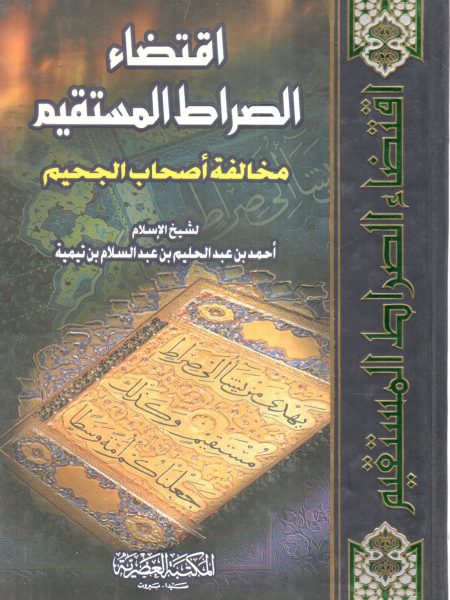
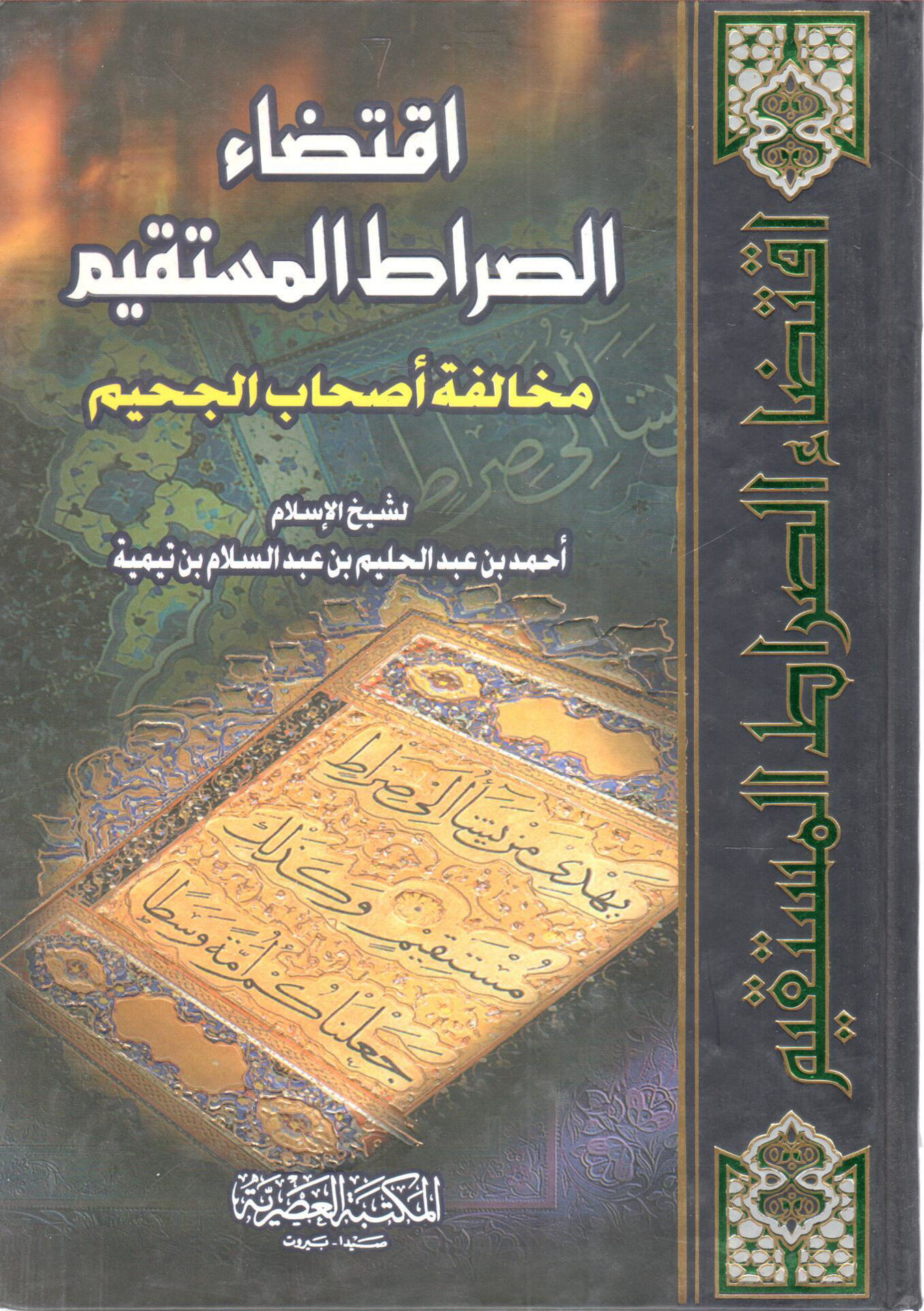
Author's name: Ahmad ibn Abdul Halim ibn Abdul Salam ibn Taymiyyah
-
Number of pages: 224 pages
-
The subject of the book: Requiring the Straight Path to Disagree with the Companions of Hell
The contents of the book:
-
Introduction by His Excellency Dr. Minister Abdullah bin Abdul Mohsen Al-Turki
-
Introduction
-
Section I: Study
-
A brief translation of the author
-
Description of the book's manuscripts
-
Investigated book, name and date of authorship
-
Approach to the book's realization and commentary
-
An analytical study of some of the book's themes
-
First, the main theme of the book
-
Secondly: A study of some of the book's themes
-
First topic: The author's alert on two important assets
-
Second topic: Some of the types of heresies and polytheism that plague the Ummah
-
Third topic: The impact of imitation on the nation
-
Fourth topic: Basic Rules of Simulation
-
Theme 5: Groups of people we are forbidden to imitate
-
Sixth topic: The prohibition includes everything that is characteristic of infidels, both ancient and modern
-
Topic VII: When it is permissible to imitate non-Muslims
-
Topic VIII: Festivals and heterodox celebrations
-
Topic IX: In jargon
-
Tenth topic: On the concept of heresy
-
Topic Eleven: Heresies of graves, shrines, shrines, monuments, relics, etc.
-
Second section: The book is edited with commentary
-
The Sermon of Need from the Investigator's book
-
Reason for writing the book
-
Chapter on the state of people before Islam
-
Some of the things of the People of the Book and Arabs that plague some Muslims
-
The command to oppose those who are disobedient and errant in outward guidance
-
Chapter on the evidence of the command to oppose the disbelievers in general and their festivals in particular
-
Explaining the benefit of disobeying the disbelievers and the harm and disadvantage of following them
-
The Qur'an's prohibition against following unbelievers
-
The Sunnah's prohibition against following unbelievers
-
The difference that the Prophet (peace be upon him) told us about
-
Types of variation
-
Back to the Qur'an's prohibition against imitating infidels
-
The prohibition against loyalty and affection for unbelievers
-
Faces of the command to oppose infidels
-
Lambasting some of the qualities of jahiliyyah
-
Corruption and its types
-
The concept and requirement of imitation
-
The Types and Effects of Self-Stress
-
Chapter on the benefits of his great sermon on the Day of Arafat
-
Chapter on the consensus on the command to oppose infidels and forbid resemblance to them
-
The first aspect of consensus
-
The second aspect of consensus
-
The third facet of the consensus report
-
A chapter on the command to oppose demons
-
A chapter on the difference between imitating infidels and demons and imitating Arabs and Ajamis
-
People are divided into righteous and unrighteous, believers and disbelievers.
-
Differentiation between Arabs and Arabs
-
The prohibition against hating Arabs
-
Reasons for favoring Arabs
-
A chapter on how the laws of those who came before us are our laws unless our laws say otherwise
-
Chapter on the Categories of Infidels' Actions
-
Chapter on Festivals
-
Ways not to agree with them on their holidays
-
The first way is that it agrees with the People of the Book in what is not in our religion
-
The second way is the Book, Sunnah, consensus and consideration
-
The prohibition against agreeing with them on their festivals is written in the book
-
The prohibition against agreeing with them on their festivals in the Sunnah
-
The prohibition against agreeing with them on their festivals by consensus and relics
-
The prohibition against agreeing with them on their festivals
-
A chapter on resembling them in what is not our law
-
A chapter on the concept of Eid and caution against imitating infidels in their festivals
-
Chapter on Festivals of the Infidels
-
Some of the heresies that Muslims do in this regard
-
The prohibition against doing anything that aids the infidels in their festivals
-
Selling and renting a house or other property to a dhimmi
-
A dhimmi buying tithe land from a Muslim
-
Renting church land and buying what is sold to the church
-
Accepting gifts from dhimmi people on their feast day
-
Their sacrifice on their feast day and the types of sacrifices of the People of the Book
-
What is slaughtered on the monument
-
Alleged Jinn sacrifices
-
Back to the details of what was sacrificed on the monument
-
Chapter on Fasting the Days of the Feast of the Infidels
-
Chapter on fasting on Nowruz, Muharram, and other idolatrous festivals
-
Chapter on Other Festivals and Festivals
-
The newer seasons and festivals are unacceptable for two reasons
-
The first is the inclusion of all other festivals and seasons in the term bid'ah muhaddithat (new innovations)
-
The second involves corruption in religion
-
A chapter on false temporal festivals
-
Types of Temporal Festivals
-
Chapter on Innovative Spatial Festivals
-
Chapter on types of spatial festivals
-
The first type is a place that has no specificity in the Shari'ah
-
Some of the places and graves that people have created
-
Chapter on the second type of place
-
The second type is that which has a special characteristic that does not require it to be a holiday
-
Calling an Eid a place where a gathering is meant to take place
-
What is related to graves, including visiting them, praying at them, making them mosques, and building on them
-
Types of taboos
-
Praying at graves
-
Rejection of the argument that the Ummah is unanimous on the desirability of praying at graves
-
The effect of worshipping and praying at graves is not evidence of its desirability
-
Types of polytheism
-
Prayer after greeting the Prophet (peace be upon him) at the grave
-
Refuting what is said about the desirability of praying at the grave
-
Some grave heresies
-
Chapter on the Inadmissibility of Other Worship at Graves
-
A chapter on sitting at graves, neighboring graves, and blocking graves
-
Chapter on the Shrines of the Prophets and the wisdom of going to them
-
Scholars' statements and the statement of the correct opinion and its evidence
-
Places where the Prophet intended to pray or supplicate
-
Asking for help from good people who are alive is to pray to them.
-
Supplicating to God with good deeds
-
Asking the prophets and the righteous is by obeying and following them or by praying and interceding for them.
-
Mosques to which travelers are invited
-
Chapter on the Al-Aqsa Mosque
-
Chapter on the lack of specialization of a place for worship except for mosques
-
What people say about intercession and what is the right thing to say about it
-
The origin of the monotheism for which the prophets were sent and the books were revealed
-
The origin of the religion of the prophets is the same, but the laws differ
-
The error of some sects in the name of tawhid and the truth about it
-
Conclusion
Also browse:
-
A special collection of books Jurisprudence and its principles