Description
Book description:
-
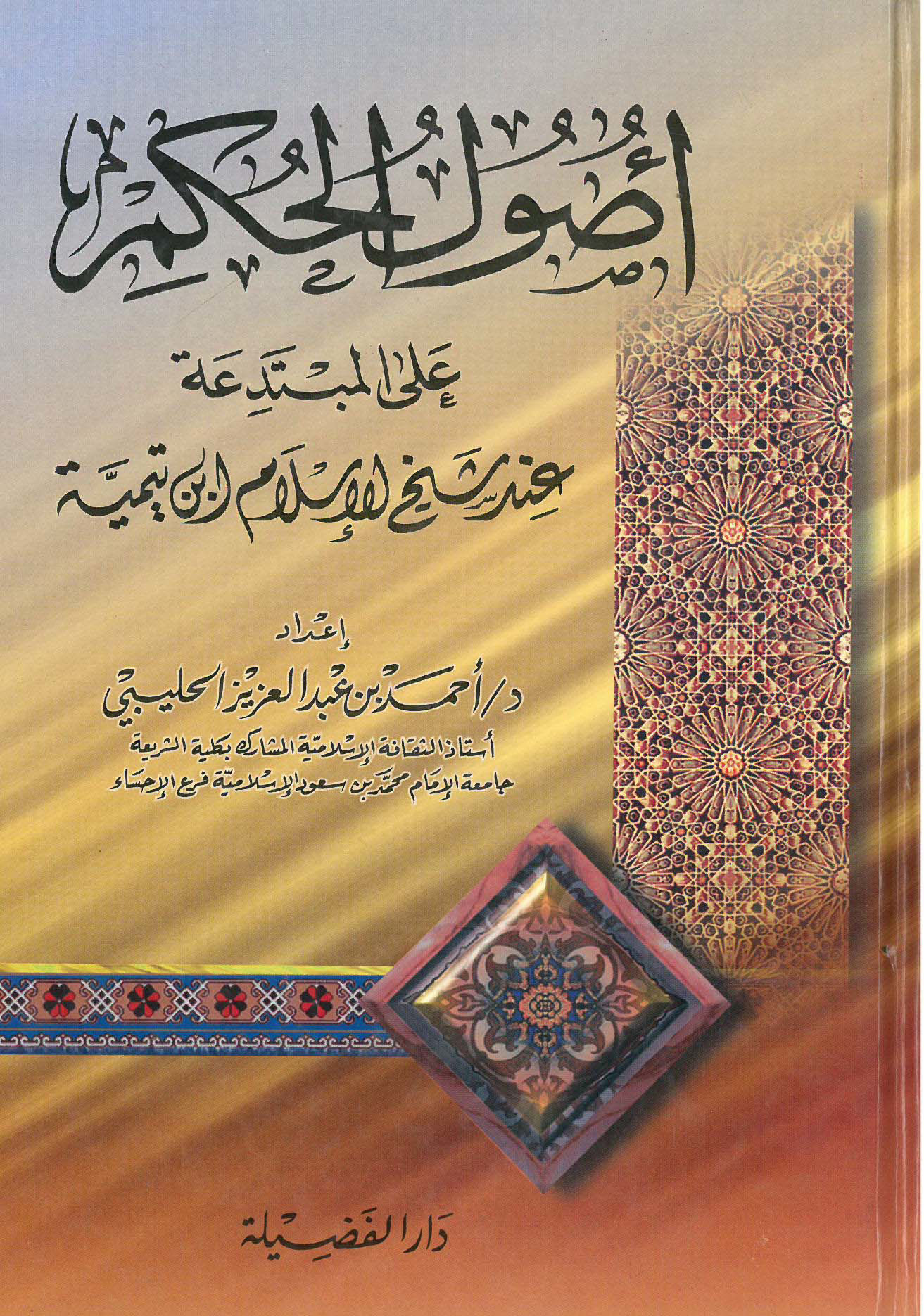
Prepared by: Ahmed bin Abdulaziz al-Halibi
-
Number of pages: 177 pages
-
The subject of the book: The basics of judging innovators by Shaykh al-Islam Ibn Taymiyyah
The contents of the book:
-
Introduction
-
Translation of Shaykh al-Islam Ibn Taymiyyah
-
Bootstrap
-
Ibn Taymiyyah's concept of Sunnah and Bid'ah
-
The origins of Shaykh al-Islam's judgment on the innovator:
-
The first principle: Apologize to people of goodness and virtue for what they have fallen into from heresy on the basis of ijtihad
-
The second asset: A mujtahid is not culpable if he is wrong on fundamental and subsidiary issues
-
The third asset: The excuse of a mujtahid is not required to endorse the heresy he has shown
-
Fourth asset: Not judging the heresy that has occurred
-
Fifth Principle: No one should be condemned to perdition if he or she disagrees with a particular belief or belief system
-
The sixth asset: Investigate the status of a particular person who commits blasphemy or debauchery
-
Seventh asset: Striving to reconcile hearts, unite the word, and mend fences
-
The eighth asset: Equity in mentioning the virtues and vices of innovators
-
The ninth asset: Observing the conditions of enjoining good and forbidding evil in enjoining Sunnah and forbidding bid'ah
-
The tenth asset: The legality of punishing the preacher of heresy in a way that achieves deterrence, discipline, and interest
-
Origin XI: It is valid to pray behind a heretic if it is not possible to pray behind the heretic
-
Origin XII: Accepting the repentance of the preacher of heresy
Summary of Contemporary Religions and Beliefs
Communism - Theses on Religions, Doctrines and Teams 5