

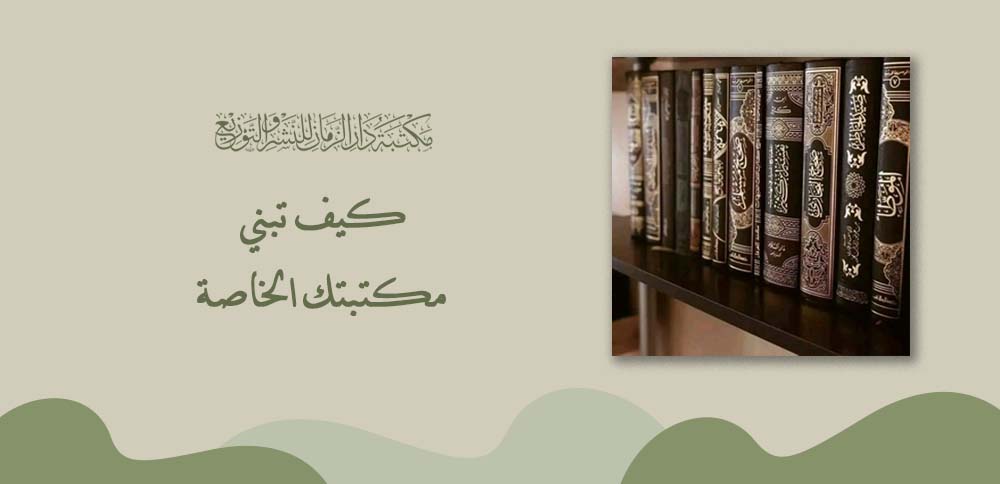
Many people love the smell of books and the sound of turning pages, but the question remains: How do you build your own library in a way that makes this passion a real space that reflects your taste and culture? A library is not just shelves and volumes, it is a small world that embraces your interests and gives you the pleasure of discovery every day. It is the corner that expresses your intellectual identity and transforms reading from a solitary hobby into an enriching daily experience.
Whether you're putting your first book on the shelf or dreaming of expanding a collection that's been with you for years, following organized steps to build your own library will help you strike a balance between beauty and function.
How do you practically build your own library?
Before you start building your library, it's important to determine its purpose. Do you want a library for daily reading and relaxation, a space for study and research, or an aesthetically pleasing addition to your home? The purpose determines the type of furniture, the number of books, and the nature of the materials to be added. A reading library is different from an academic work library or a library to be used as a stylish decoration in the living room.
How do I choose a library location?
Choosing a place is an essential step in how to build your own library, as the right location is not only aesthetically pleasing, but also directly affects the preservation of books and the quality of reading. It is best to choose a quiet place away from sources of noise, humidity, and food, so that the books maintain their quality for longer. Make sure there is good and natural lighting as much as possible, with proper ventilation to renew the air and prevent the accumulation of dust or moisture inside the shelves, as these small details are what makes the real difference when building an organized and inspiring home library.
How do I categorize and organize books?
Organizing books gives the library vitality and ease of use, and the following steps can be followed:
- Sort books by topics such as literature, science, religion, or self-development to create clear sections.
- Arrange books within each section by author name or title to make it easier to find them quickly.
- Collect books scattered around the house to determine the true collection that makes up your library.
- A simple shelf coding system such as colors or symbols can be adopted to make it easier to organize when new books are added in the future.
What design and furniture is best suited?
Library design should combine beauty and function. It is recommended to choose sturdy and expandable shelves to accommodate more books over time. Add a comfortable chair and a small table next to the shelves, making the space warmer and more inviting to sit and read for long periods of time. Functional design helps turn the library into a favorite corner of the home.
How do I choose books for my library?
The choice of books reflects your personality and interests, so it's nice to have a diverse mix of old and new books in your library. When building your own library, it is recommended that you choose what suits your current interests, but don't neglect to explore new areas to broaden your knowledge and enrich your experience. The library can contain novels, intellectual, technical, technical, religious, or artistic books to become a source of inspiration and knowledge that reflects your personal tastes and culture.
How do I create an attractive environment?
To make the library a welcoming place, add your own touches. Art, paintings that express your taste, or simple accessories that create a cozy atmosphere. Creating a cozy reading nook with excellent lighting and good ventilation makes the moment of reading a pleasant and relaxing experience that encourages you to return to it every day.
How do I organize my home library?
Your own library can be organized in a number of ways depending on how you use books and your interests:
- By topic: A practical way to make it easy to access books quickly, you can collect literature in one shelf, history in another, and science in a separate section.
- According to the author: If you're following the work of specific authors, organizing the books by author name makes the search experience more enjoyable and organized.
- By title: Especially useful for those with a diverse library, this system allows you to quickly find a book through the alphabet.
- By cover color: For an artistic and aesthetically pleasing touch, books can be arranged in colors to make the library look like a stylish piece of home decor.
To keep your library vibrant, it is advisable to sort the books at least once a year. You can remove books that no longer fit your interest, and add newer editions to keep your collection fresh.
Do I need indexing?
Cataloging isn't mandatory, but it's a smart move if you want to manage your library efficiently and easily. Cataloging helps you know where the books are, how many there are, and even keep track of what has been loaned to your friends.
You can start with a simple manual approach in a notebook or electronic file, recording the name of the book, author, and genre. If the number of books is large, it's best to use digital tools such as dedicated cataloging apps or Google Play Books, which provide you with an organized interface, allow for quick searching, and give you complete control over your collection with a single touch.
Why is it important to have a variety of books in your library?
The diversity of books in How to Build Your Own Library gives the library a living soul and content that nourishes the mind from multiple angles. When your library contains books in literature, thought, science, art, and history, it becomes a knowledge-rich space and a continuous learning environment that motivates everyone to read and discover. The combination of heritage and contemporary, imagination and practicality, creates a cognitive balance that meets different needs and makes reading a renewed and inspiring experience for everyone who enters this beautiful world of books.
The presence of diverse books also makes the library a common resource for all family members, as each of them finds what corresponds to their interests and stage of life, which enhances cultural and family communication at the same time.
How does the diversity of books affect you?
The variety of books has a direct impact on the reader's way of thinking and the depth of their understanding of the world. Moving between different topics broadens the mind and opens the horizon to new types of ideas and questions. It also creates a rich internal dialog between knowledge, supporting the ability to make connections between concepts and discover unexpected relationships between fields.
In addition, this diversity fosters the habit of discussion and debate within the community, enhancing cultural awareness and encouraging critical and analytical thinking. A diverse library not only nurtures a love of reading, it builds a mind capable of discernment and analysis.
Do diverse books develop the reader?
Yes, the variety of books is one of the most important factors that contribute to a reader's intellectual and personal development. Each type of book adds a new dimension to the reading experience, revealing a different perspective that helps form a deeper and more holistic view.
This diversity makes the reader more flexible in thinking and more accepting of difference and multiple points of view. Each book becomes a new step towards self-development and the refinement of mental and emotional skills, making your library a continuous source of growth and awareness.
What is an inspirational library?
The Dar Al-Zaman Publishing and Distribution Library A living example for everyone who wants to know how to build your own library in an organized way that reflects your cognitive tastes and makes your experience with books more inspiring. The library is not just a place to collect books, but a complete intellectual ecosystem that offers a rich variety of topics and modern organizational services that provide a reading environment that invites exploration and continuous knowledge. It is a model for those who want to design their personal library in a comprehensive and efficient manner.
What's special about Dar Alzaman Bookstore?
Dar Al-Zaman's library is characterized by its wide diversity, covering more than 50,000 titles covering various arts of human knowledge, from Islamic sciences, literature and history to humanities, children's books, business, scientific and technical books.
The library offers services for all age groups, so there is something for the child reader, the academic researcher, the student and the professional alike.
This is coupled with the constant updating of content and the high quality of the original and translated editions, making it an ever-evolving cultural reference.
It also provides modern cataloging and organization tools that take into account digital developments, making the experience of building a personal library easier and more professional.
How can I emulate this model?
You can benefit from the experience of Dar Alzaman Library by following simple and clear steps:
- Diversify the books in your library to cover multiple areas of knowledge that feed your various interests.
- Consider the needs of each member of the family when choosing books to make the library useful and inclusive for everyone.
- Choose a variety of original and translated versions to ensure a balanced cultural and cognitive enrichment.
- Maintain the quality of the books in terms of printing, packaging, and long-term care.
- Use modern organizational tools, from digital cataloging to smart categorization, to make it easier to access books and manage your collection efficiently.
With these steps, any reader can take inspiration from How to Build Your Own Library and Dar Al-Zaman's publications as a practical model for building their own library in an organized and inspiring spirit, combining cultural taste and aesthetic organization to make the library a mirror of its owner's personality and a constant source of inspiration for reading and knowledge.
What are the best books to build your own library?
Dar Al-Zaman Publishing and Distribution's library offers a unique experience for reading lovers and personal library builders, as it is one of the most diverse Arabic libraries in terms of titles and fields. It is a rich source for those who want to know how to build your own library step by step, by acquiring books that combine usefulness, knowledge, and fun. Among the titles that deserve to be in your library are these two books:
101 business ideas that will change the way you work
is 101 business ideas that will change the way you work from a section Business management One of the ideal choices for entrepreneurs and business owners looking for continuous improvement. With its yellow-colored paperback cover and eye-catching headline. Author Anthony Faiz offers a collection of practical, actionable ideas that promote strategic thinking and professional and personal development.
This work comes in an Arabic translation from Jarir Bookstore and falls under the categories of Management and Entrepreneurship. It provides the reader with modern ways to improve the work environment and make more effective decisions. You can learn more about the details of the book through the link:
Book 110 Stories of Oppressors and the Punishment of Criminals
As for Book 110 Stories of Oppressors and the Punishment of Criminals from a section Languages by Taha Abdel Raouf Saad, combines literary narrative with moral content. It contains 110 different stories that tell the fates of the oppressors in reality and history, in an attractive storytelling style that instills values and offers lessons and lessons.
This book is suitable for all age groups and can be used as an educational tool within the family or within educational programs to emphasize the concepts of justice and mercy. It is an important addition to anyone who asks how to build your own library on solid intellectual and humanitarian foundations. You can find its details here:
What are your tips for developing your own library?
- Update your book collection periodically to keep up with your changing interests and new releases.
- Be sure to buy books that have high intellectual value, as well as translated works that broaden the horizon of culture.
- Use appropriate cataloging tools, whether manual or digital, to make it easier to access and organize your books.
- Set aside times for individual or group reading to make your own library a center of cultural dialogue within the family.
How do I keep up with my interests?
Keeping up with your interests requires you to regularly review the content of your library and add books that align with your evolving knowledge and new passions. When discovering new fields or authors, be sure to purchase their works to refresh your cultural horizon.
Is indexing necessary?
Cataloging is a key element in how you build your library. It's the step that turns your book collection into a living, organized, and manageable system. Whether you rely on manual cataloging or digital software, it helps you find books quickly, organize topics, and avoid duplicate items. It also gives your library a professional look that makes it more functional and appealing for reading and daily use.
Why are family sessions important?
Organizing family reading sessions turns the library into an interactive space that enriches the cultural conversation among family members. Sharing thoughts and impressions about books strengthens relationships, develops a love of reading, and makes your library a vibrant center of knowledge and intellectual exchange.
Frequently asked questions about how to build your own library
How do you build your own library?
The process of building your own library begins with determining the purpose of your library, whether it's for daily reading, studying, or keeping rare collections. Next, choose the most suitable place in the house that is comfortable and well-lit. Then you start collecting books, organizing them, arranging them according to your personal interests, and cataloging them in a way that makes it easy to access any title you want.
How much does it cost to set up a library?
The cost of setting up a home library depends on multiple factors such as the size of the collection, the location of the library in the home, and the quality of the shelves and furniture used. The cost can range from a few hundred to a few thousand pounds, depending on the materials, design, and options you choose to suit your budget and the nature of your needs.
How can I organize my library?
You can organize your library manually by dividing books by topics, author names, or even by colors and sizes if you prefer aesthetics. You can also use modern technology through digital apps such as Google Play Books or cataloging programs that help categorize books and make them easier to find quickly.
By following the steps on how to build your own library, you can turn any corner of your home into a source of inspiration and knowledge. A home library is more than just a collection of books; it can help foster a love of reading, promote reading culture within the family, and provide an environment that encourages continuous learning for all family members, regardless of their ages and interests.
Read more: