Description
Sheikh Abdul Raziq said in his book: “Shari'ah dhikr and prophetic supplications have a high status in religion and a special place in the hearts of Muslims, and books of dhikr, in all their diversity, receive great attention and great care among them, and it is not possible to count what has been written by scholars, ancient and modern, on dhikr and supplication, because of the large number of books written in this regard, including those who narrate the news with traditions, some of them omitting them, some of them lengthy and extensive, and others brief, moderate and polished, with differences in collecting texts, presenting evidence, ways of classifying and categorizing them, attention to explaining and explaining them, etc” (Al-Sharif).
Book description:
-
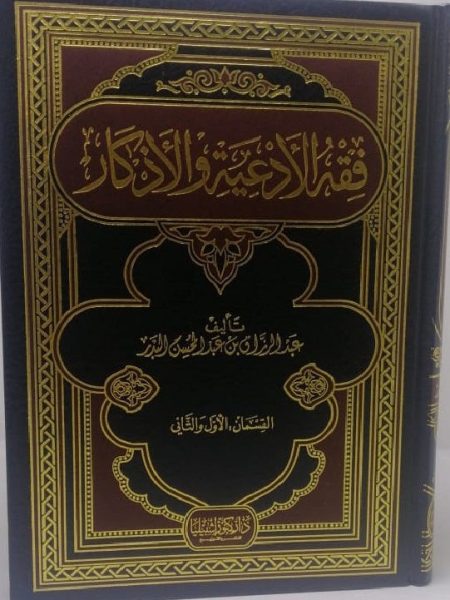
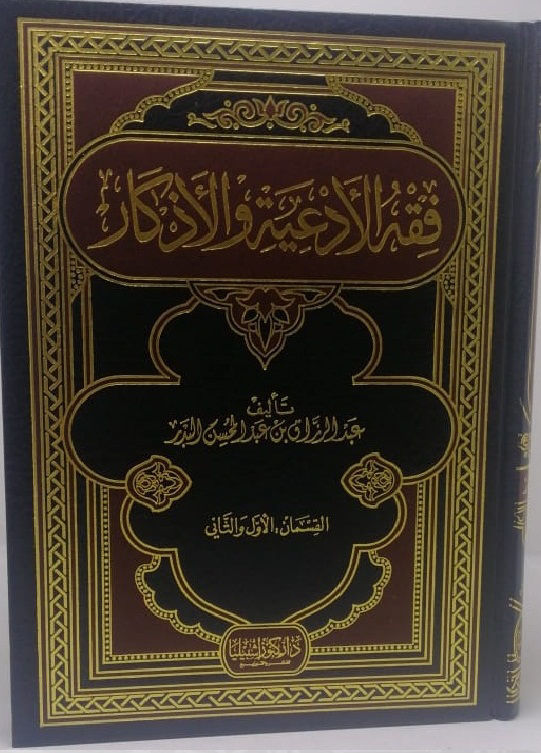
The author of the book: Sheikh Abdul Razzaq bin Abdul Muhsin al-Bader
-
Number of pages in the book: 904 pages
-
The subject of the book: A study of the Prophet's dhikr and supplications in terms of their jurisprudence and the great meanings and implications they contain.
The contents of the book:
The book contains two sections, the first section includes the virtues and importance of dhikr:
-
The importance and virtue of dhikr
-
Benefits of Dhikr
-
Other Benefits of Remembrance
-
The virtues of dhikr councils
-
Allah's remembrance is the best of all actions.
-
The virtues of remembering Allah
-
The variety of evidence indicating the virtues of dhikr
-
Neglecting the remembrance of God
-
Dhikr etiquette
-
The best dhikr is the Quran
-
The Revelation of the Qur'an in Ramadan
-
The Qur'an is meant to be understood and acted upon
-
Qur'anic etiquette
-
Differentiation of the Suras of the Qur'an and the virtues of Surat al-Fatiha
-
The virtues of the Ayat al-Kursi, Surat al-Ikhlas and other suras
-
Centrism of the People of the Qur'an
-
Preference for the Qur'an over mere dhikr
-
The virtues of seeking knowledge
-
The Pillars of Heartfelt and Other Worship
-
Reminding God by mentioning His names and attributes
-
The Importance of Knowing God's Names and Attributes
-
Names and attributes require their effects of servitude to God
-
Knowledge of God's names and attributes and the approach of Ahl al-Sunnah in this regard
-
Describing God's names as good and what that means
-
Warning against blasphemy in the names of God
-
Consider God's names and attributes, not to disrupt them, and the great impact this has on the slave
-
The names of God are not limited to a specific number and what is meant by: “Whoever enumerates them will enter paradise”
-
The differentiation of the good names and the mention of the greatest name
-
The virtues of the four words: Subhanallah, Alhamdulillah, La ilaha illallah and Allahu akbar
-
Other virtues of these four words
-
The virtues of the word tawhid: "There is no god but Allah
-
Other virtues of the word tawhid: "There is no god but Allah
-
Conditions of La ilaha illallah
-
The meaning and significance of the word tawhid, "there is no god but God
-
Violations of the testimony that there is no god but Allah
-
Explanation of the corruption of mentioning the singular noun, either explicitly or implicitly
-
The virtues of praise
-
The virtues of tasbih in the Sunnah
-
All creatures praise God
-
The meaning of tasbih
-
The virtues of praise and evidence from the Qur'an
-
Evidence from the Sunnah on the virtues of praise
-
Places where Alhamdulillah is emphasized
-
The Greatest Means of Praise: Knowing God's Names and Attributes
-
Praise God for His blessings and favors
-
Thanking God is the best blessing
-
The best and most complete form of praise
-
The definition of praise and the difference between it and thanksgiving
-
The virtue of thanksgiving
-
The truth about thanksgiving and its place among the Salaf
-
The virtues of takbir and its place in religion
-
The meaning and significance of takbir
-
The correlation between the four words
-
Thanks to God's grace and powerlessness
-
The truth of the matter is that there is no power but God
The second chapter includes a description of the virtues of prayer, its importance and its place in the Islamic religion:
-
The virtues of prayer
-
Evidence from the Sunnah on the virtues of supplication and a description of the difference between dhikr and supplication
-
Among the virtues of supplication
-
The slave's need for Allah and his need to pray to Him
-
God's answer to those who call upon Him
-
The answer to prayer is contingent on the fulfillment of conditions and the absence of contraindications
-
Four reasons to answer prayers
-
Prayer is a pure right of God
-
The importance of following the Sunnah in prayer
-
Warning against modernized prayers
-
The Bad Effects of Modernized Prayers
-
Words of wisdom and aphorisms
-
The importance of paying attention to the Prophet's words in dhikr and supplication
-
Warning against abuse in prayer
-
Abuse in Prayer
-
One of the etiquettes of supplication is to hide it
-
Types of legitimate begging
-
Warning against deviations in understanding the meaning of tawassul
-
One of the false supplications is praying to the righteous without God
-
Times when prayers are answered
-
Conditions in which a Muslim's prayers are answered
-
Those whose prayers are answered
-
Warnings against heterodox prayers
-
The danger of false propagandists and imams of error
-
The Danger of Grave Attachment
-
Exaggerating the graves of the righteous turns them into idols
-
If you ask, ask God
-
People of falsehood promote false prayers with fabricated stories
-
One of the best ways to pray is not to rush the answer
-
The Importance of Heart Presence in Prayer and Other Etiquette
-
The slave's need for God
-
Prayer etiquette
-
Know God in prosperity and he will know you in adversity.
-
Raising the hands in prayer
-
Ranks of raising the hands in supplication
-
Signs and meanings of raising your hands
-
Raising your hands to God is one of the signs of His transcendence
-
Mistakes related to raising your hands
-
Receiving the Caller to the Qibla
-
Prayer Etiquette (1)
-
Prayer Etiquette (2)
-
Warning against heterodox headphones
-
The difference between legitimate and up-to-date hearing
-
Prayer for Muslims
-
Forgiveness for Muslims
-
The virtue of praying for believers and refraining from slandering them
-
Praying for parents and relatives
-
Praying for Muslim rulers
-
Divisions of prayer according to who is being prayed for
-
The danger of praying for oneself or others
-
Repenting of sins before praying
-
Initiating Repentance and Advising Repentancement
-
Repentance is linked to forgiveness, and forgiveness is linked to monotheism.
-
The status of forgiveness and the state of those who ask for forgiveness
-
The Prophet's practice of forgiveness